
 Liquid filling
How can I reduce waste when handling thin free-flowing liquids?
Measure product loss, rejected packaging, rework and start-up waste separately, then remove the largest repeatable cause.
See the checks →Measure product loss, rejected packaging, rework and start-up waste separately, then remove the largest repeatable cause. Choose the product, pack or process that most closely matches the fault.
 Liquid filling
Measure product loss, rejected packaging, rework and start-up waste separately, then remove the largest repeatable cause.
See the checks → Liquid filling
Measure product loss, rejected packaging, rework and start-up waste separately, then remove the largest repeatable cause.
See the checks → Liquid filling
Measure product loss, rejected packaging, rework and start-up waste separately, then remove the largest repeatable cause.
See the checks → Liquid filling
Measure product loss, rejected packaging, rework and start-up waste separately, then remove the largest repeatable cause.
See the checks → Liquid filling
Measure product loss, rejected packaging, rework and start-up waste separately, then remove the largest repeatable cause.
See the checks → Liquid filling
Measure product loss, rejected packaging, rework and start-up waste separately, then remove the largest repeatable cause.
See the checks → Liquid filling
Measure product loss, rejected packaging, rework and start-up waste separately, then remove the largest repeatable cause.
See the checks → Liquid filling
Measure product loss, rejected packaging, rework and start-up waste separately, then remove the largest repeatable cause.
See the checks → Liquid filling
Measure product loss, rejected packaging, rework and start-up waste separately, then remove the largest repeatable cause.
See the checks → Liquid filling
Measure product loss, rejected packaging, rework and start-up waste separately, then remove the largest repeatable cause.
See the checks → Liquid filling
Measure product loss, rejected packaging, rework and start-up waste separately, then remove the largest repeatable cause.
See the checks → Liquid filling
Measure product loss, rejected packaging, rework and start-up waste separately, then remove the largest repeatable cause.
See the checks → Liquid filling
Measure product loss, rejected packaging, rework and start-up waste separately, then remove the largest repeatable cause.
See the checks → Liquid filling
Measure product loss, rejected packaging, rework and start-up waste separately, then remove the largest repeatable cause.
See the checks → Liquid filling
Measure product loss, rejected packaging, rework and start-up waste separately, then remove the largest repeatable cause.
See the checks → Liquid filling
Measure product loss, rejected packaging, rework and start-up waste separately, then remove the largest repeatable cause.
See the checks → Liquid filling
Measure product loss, rejected packaging, rework and start-up waste separately, then remove the largest repeatable cause.
See the checks → Liquid filling
Measure product loss, rejected packaging, rework and start-up waste separately, then remove the largest repeatable cause.
See the checks → Liquid filling
Measure product loss, rejected packaging, rework and start-up waste separately, then remove the largest repeatable cause.
See the checks → Liquid filling
Measure product loss, rejected packaging, rework and start-up waste separately, then remove the largest repeatable cause.
See the checks → Liquid filling
Measure product loss, rejected packaging, rework and start-up waste separately, then remove the largest repeatable cause.
See the checks → Liquid filling
Measure product loss, rejected packaging, rework and start-up waste separately, then remove the largest repeatable cause.
See the checks → Liquid filling
Measure product loss, rejected packaging, rework and start-up waste separately, then remove the largest repeatable cause.
See the checks → Liquid filling
Measure product loss, rejected packaging, rework and start-up waste separately, then remove the largest repeatable cause.
See the checks → Powders, granules and pieces
Measure product loss, rejected packaging, rework and start-up waste separately, then remove the largest repeatable cause.
See the checks → Powders, granules and pieces
Measure product loss, rejected packaging, rework and start-up waste separately, then remove the largest repeatable cause.
See the checks → Powders, granules and pieces
Measure product loss, rejected packaging, rework and start-up waste separately, then remove the largest repeatable cause.
See the checks → Powders, granules and pieces
Measure product loss, rejected packaging, rework and start-up waste separately, then remove the largest repeatable cause.
See the checks → Powders, granules and pieces
Measure product loss, rejected packaging, rework and start-up waste separately, then remove the largest repeatable cause.
See the checks → Powders, granules and pieces
Measure product loss, rejected packaging, rework and start-up waste separately, then remove the largest repeatable cause.
See the checks → Powders, granules and pieces
Measure product loss, rejected packaging, rework and start-up waste separately, then remove the largest repeatable cause.
See the checks → Powders, granules and pieces
Measure product loss, rejected packaging, rework and start-up waste separately, then remove the largest repeatable cause.
See the checks → Powders, granules and pieces
Measure product loss, rejected packaging, rework and start-up waste separately, then remove the largest repeatable cause.
See the checks → Powders, granules and pieces
Measure product loss, rejected packaging, rework and start-up waste separately, then remove the largest repeatable cause.
See the checks →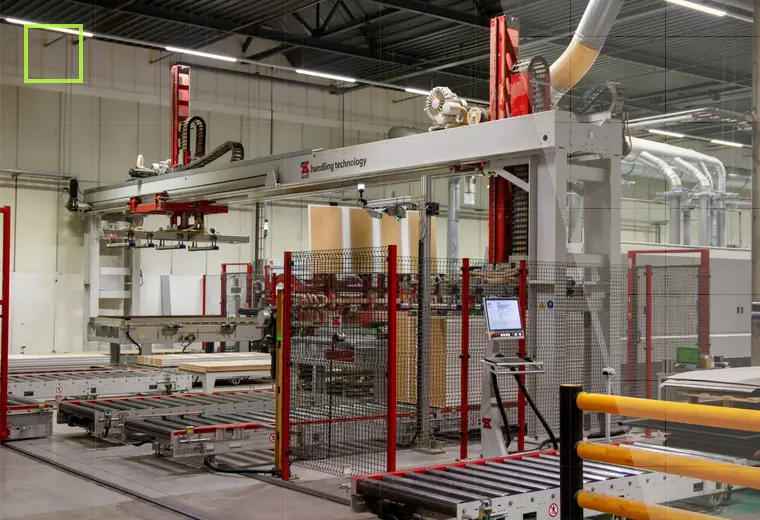 Powders, granules and pieces
Measure product loss, rejected packaging, rework and start-up waste separately, then remove the largest repeatable cause.
See the checks →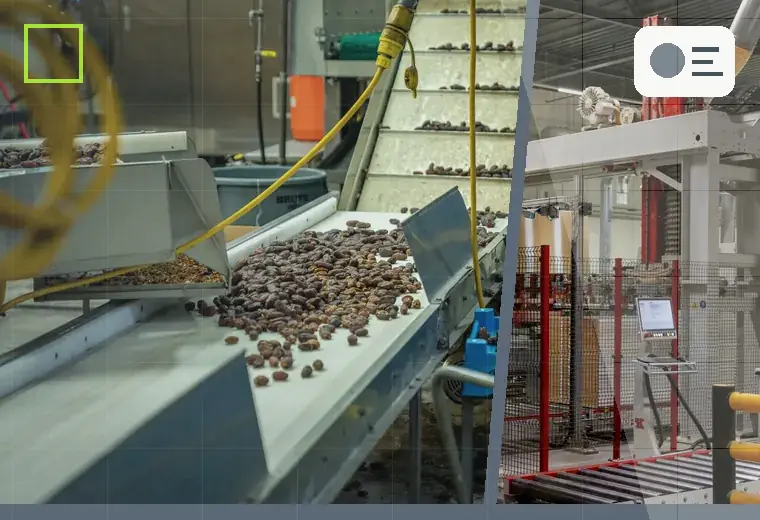 Powders, granules and pieces
Measure product loss, rejected packaging, rework and start-up waste separately, then remove the largest repeatable cause.
See the checks →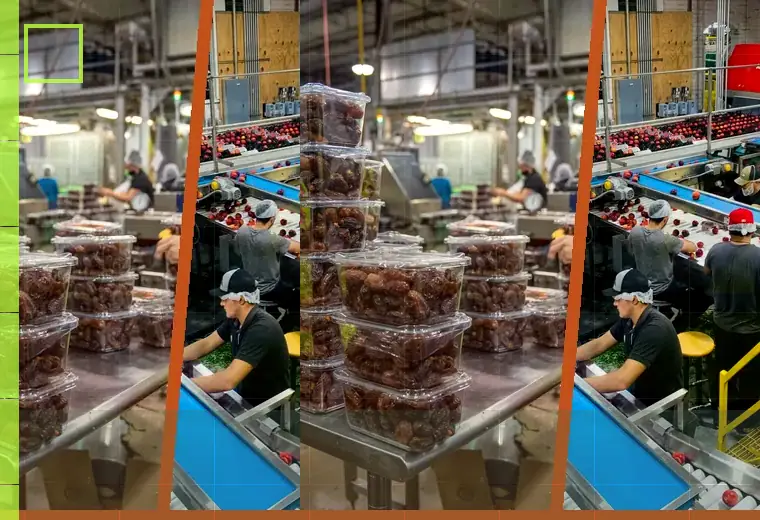 Powders, granules and pieces
Measure product loss, rejected packaging, rework and start-up waste separately, then remove the largest repeatable cause.
See the checks →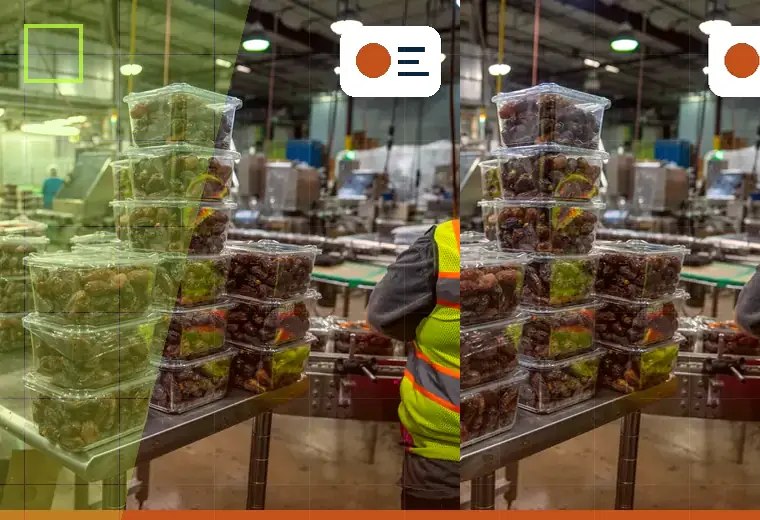 Powders, granules and pieces
Measure product loss, rejected packaging, rework and start-up waste separately, then remove the largest repeatable cause.
See the checks → Powders, granules and pieces
Measure product loss, rejected packaging, rework and start-up waste separately, then remove the largest repeatable cause.
See the checks → Powders, granules and pieces
Measure product loss, rejected packaging, rework and start-up waste separately, then remove the largest repeatable cause.
See the checks → Powders, granules and pieces
Measure product loss, rejected packaging, rework and start-up waste separately, then remove the largest repeatable cause.
See the checks → Powders, granules and pieces
Measure product loss, rejected packaging, rework and start-up waste separately, then remove the largest repeatable cause.
See the checks → Powders, granules and pieces
Measure product loss, rejected packaging, rework and start-up waste separately, then remove the largest repeatable cause.
See the checks → Powders, granules and pieces
Measure product loss, rejected packaging, rework and start-up waste separately, then remove the largest repeatable cause.
See the checks → Powders, granules and pieces
Measure product loss, rejected packaging, rework and start-up waste separately, then remove the largest repeatable cause.
See the checks → Powders, granules and pieces
Measure product loss, rejected packaging, rework and start-up waste separately, then remove the largest repeatable cause.
See the checks → Powders, granules and pieces
Measure product loss, rejected packaging, rework and start-up waste separately, then remove the largest repeatable cause.
See the checks → Capping and closures
Measure product loss, rejected packaging, rework and start-up waste separately, then remove the largest repeatable cause.
See the checks → Capping and closures
Measure product loss, rejected packaging, rework and start-up waste separately, then remove the largest repeatable cause.
See the checks → Capping and closures
Measure product loss, rejected packaging, rework and start-up waste separately, then remove the largest repeatable cause.
See the checks → Capping and closures
Measure product loss, rejected packaging, rework and start-up waste separately, then remove the largest repeatable cause.
See the checks → Capping and closures
Measure product loss, rejected packaging, rework and start-up waste separately, then remove the largest repeatable cause.
See the checks → Capping and closures
Measure product loss, rejected packaging, rework and start-up waste separately, then remove the largest repeatable cause.
See the checks → Capping and closures
Measure product loss, rejected packaging, rework and start-up waste separately, then remove the largest repeatable cause.
See the checks → Capping and closures
Measure product loss, rejected packaging, rework and start-up waste separately, then remove the largest repeatable cause.
See the checks → Capping and closures
Measure product loss, rejected packaging, rework and start-up waste separately, then remove the largest repeatable cause.
See the checks → Capping and closures
Measure product loss, rejected packaging, rework and start-up waste separately, then remove the largest repeatable cause.
See the checks → Capping and closures
Measure product loss, rejected packaging, rework and start-up waste separately, then remove the largest repeatable cause.
See the checks → Capping and closures
Measure product loss, rejected packaging, rework and start-up waste separately, then remove the largest repeatable cause.
See the checks → Capping and closures
Measure product loss, rejected packaging, rework and start-up waste separately, then remove the largest repeatable cause.
See the checks → Capping and closures
Measure product loss, rejected packaging, rework and start-up waste separately, then remove the largest repeatable cause.
See the checks → Capping and closures
Measure product loss, rejected packaging, rework and start-up waste separately, then remove the largest repeatable cause.
See the checks → Capping and closures
Measure product loss, rejected packaging, rework and start-up waste separately, then remove the largest repeatable cause.
See the checks → Capping and closures
Measure product loss, rejected packaging, rework and start-up waste separately, then remove the largest repeatable cause.
See the checks → Capping and closures
Measure product loss, rejected packaging, rework and start-up waste separately, then remove the largest repeatable cause.
See the checks → Capping and closures
Measure product loss, rejected packaging, rework and start-up waste separately, then remove the largest repeatable cause.
See the checks → Capping and closures
Measure product loss, rejected packaging, rework and start-up waste separately, then remove the largest repeatable cause.
See the checks → Capping and closures
Measure product loss, rejected packaging, rework and start-up waste separately, then remove the largest repeatable cause.
See the checks → Capping and closures
Measure product loss, rejected packaging, rework and start-up waste separately, then remove the largest repeatable cause.
See the checks → Capping and closures
Measure product loss, rejected packaging, rework and start-up waste separately, then remove the largest repeatable cause.
See the checks → Capping and closures
Measure product loss, rejected packaging, rework and start-up waste separately, then remove the largest repeatable cause.
See the checks → Capping and closures
Measure product loss, rejected packaging, rework and start-up waste separately, then remove the largest repeatable cause.
See the checks → Labelling and coding
Measure product loss, rejected packaging, rework and start-up waste separately, then remove the largest repeatable cause.
See the checks → Labelling and coding
Measure product loss, rejected packaging, rework and start-up waste separately, then remove the largest repeatable cause.
See the checks → Labelling and coding
Measure product loss, rejected packaging, rework and start-up waste separately, then remove the largest repeatable cause.
See the checks → Labelling and coding
Measure product loss, rejected packaging, rework and start-up waste separately, then remove the largest repeatable cause.
See the checks → Labelling and coding
Measure product loss, rejected packaging, rework and start-up waste separately, then remove the largest repeatable cause.
See the checks → Labelling and coding
Measure product loss, rejected packaging, rework and start-up waste separately, then remove the largest repeatable cause.
See the checks → Labelling and coding
Measure product loss, rejected packaging, rework and start-up waste separately, then remove the largest repeatable cause.
See the checks → Labelling and coding
Measure product loss, rejected packaging, rework and start-up waste separately, then remove the largest repeatable cause.
See the checks → Labelling and coding
Measure product loss, rejected packaging, rework and start-up waste separately, then remove the largest repeatable cause.
See the checks → Labelling and coding
Measure product loss, rejected packaging, rework and start-up waste separately, then remove the largest repeatable cause.
See the checks → Labelling and coding
Measure product loss, rejected packaging, rework and start-up waste separately, then remove the largest repeatable cause.
See the checks → Labelling and coding
Measure product loss, rejected packaging, rework and start-up waste separately, then remove the largest repeatable cause.
See the checks → Labelling and coding
Measure product loss, rejected packaging, rework and start-up waste separately, then remove the largest repeatable cause.
See the checks → Labelling and coding
Measure product loss, rejected packaging, rework and start-up waste separately, then remove the largest repeatable cause.
See the checks → Labelling and coding
Measure product loss, rejected packaging, rework and start-up waste separately, then remove the largest repeatable cause.
See the checks → Labelling and coding
Measure product loss, rejected packaging, rework and start-up waste separately, then remove the largest repeatable cause.
See the checks → Labelling and coding
Measure product loss, rejected packaging, rework and start-up waste separately, then remove the largest repeatable cause.
See the checks → Labelling and coding
Measure product loss, rejected packaging, rework and start-up waste separately, then remove the largest repeatable cause.
See the checks → Labelling and coding
Measure product loss, rejected packaging, rework and start-up waste separately, then remove the largest repeatable cause.
See the checks → Labelling and coding
Measure product loss, rejected packaging, rework and start-up waste separately, then remove the largest repeatable cause.
See the checks → Labelling and coding
Measure product loss, rejected packaging, rework and start-up waste separately, then remove the largest repeatable cause.
See the checks → Labelling and coding
Measure product loss, rejected packaging, rework and start-up waste separately, then remove the largest repeatable cause.
See the checks → Labelling and coding
Measure product loss, rejected packaging, rework and start-up waste separately, then remove the largest repeatable cause.
See the checks → Labelling and coding
Measure product loss, rejected packaging, rework and start-up waste separately, then remove the largest repeatable cause.
See the checks → Flexible packaging
Measure product loss, rejected packaging, rework and start-up waste separately, then remove the largest repeatable cause.
See the checks → Flexible packaging
Measure product loss, rejected packaging, rework and start-up waste separately, then remove the largest repeatable cause.
See the checks → Flexible packaging
Measure product loss, rejected packaging, rework and start-up waste separately, then remove the largest repeatable cause.
See the checks → Flexible packaging
Measure product loss, rejected packaging, rework and start-up waste separately, then remove the largest repeatable cause.
See the checks → Flexible packaging
Measure product loss, rejected packaging, rework and start-up waste separately, then remove the largest repeatable cause.
See the checks → Flexible packaging
Measure product loss, rejected packaging, rework and start-up waste separately, then remove the largest repeatable cause.
See the checks → Flexible packaging
Measure product loss, rejected packaging, rework and start-up waste separately, then remove the largest repeatable cause.
See the checks → Flexible packaging
Measure product loss, rejected packaging, rework and start-up waste separately, then remove the largest repeatable cause.
See the checks → Flexible packaging
Measure product loss, rejected packaging, rework and start-up waste separately, then remove the largest repeatable cause.
See the checks → Flexible packaging
Measure product loss, rejected packaging, rework and start-up waste separately, then remove the largest repeatable cause.
See the checks → Flexible packaging
Measure product loss, rejected packaging, rework and start-up waste separately, then remove the largest repeatable cause.
See the checks → Flexible packaging
Measure product loss, rejected packaging, rework and start-up waste separately, then remove the largest repeatable cause.
See the checks → Flexible packaging
Measure product loss, rejected packaging, rework and start-up waste separately, then remove the largest repeatable cause.
See the checks → Flexible packaging
Measure product loss, rejected packaging, rework and start-up waste separately, then remove the largest repeatable cause.
See the checks → Flexible packaging
Measure product loss, rejected packaging, rework and start-up waste separately, then remove the largest repeatable cause.
See the checks → Flexible packaging
Measure product loss, rejected packaging, rework and start-up waste separately, then remove the largest repeatable cause.
See the checks → Flexible packaging
Measure product loss, rejected packaging, rework and start-up waste separately, then remove the largest repeatable cause.
See the checks → Flexible packaging
Measure product loss, rejected packaging, rework and start-up waste separately, then remove the largest repeatable cause.
See the checks → Sealing and end of line
Measure product loss, rejected packaging, rework and start-up waste separately, then remove the largest repeatable cause.
See the checks → Sealing and end of line
Measure product loss, rejected packaging, rework and start-up waste separately, then remove the largest repeatable cause.
See the checks → Sealing and end of line
Measure product loss, rejected packaging, rework and start-up waste separately, then remove the largest repeatable cause.
See the checks → Sealing and end of line
Measure product loss, rejected packaging, rework and start-up waste separately, then remove the largest repeatable cause.
See the checks → Sealing and end of line
Measure product loss, rejected packaging, rework and start-up waste separately, then remove the largest repeatable cause.
See the checks → Sealing and end of line
Measure product loss, rejected packaging, rework and start-up waste separately, then remove the largest repeatable cause.
See the checks → Sealing and end of line
Measure product loss, rejected packaging, rework and start-up waste separately, then remove the largest repeatable cause.
See the checks → Sealing and end of line
Measure product loss, rejected packaging, rework and start-up waste separately, then remove the largest repeatable cause.
See the checks → Sealing and end of line
Measure product loss, rejected packaging, rework and start-up waste separately, then remove the largest repeatable cause.
See the checks → Sealing and end of line
Measure product loss, rejected packaging, rework and start-up waste separately, then remove the largest repeatable cause.
See the checks → Sealing and end of line
Measure product loss, rejected packaging, rework and start-up waste separately, then remove the largest repeatable cause.
See the checks → Sealing and end of line
Measure product loss, rejected packaging, rework and start-up waste separately, then remove the largest repeatable cause.
See the checks → Sealing and end of line
Measure product loss, rejected packaging, rework and start-up waste separately, then remove the largest repeatable cause.
See the checks → Sealing and end of line
Measure product loss, rejected packaging, rework and start-up waste separately, then remove the largest repeatable cause.
See the checks → Sealing and end of line
Measure product loss, rejected packaging, rework and start-up waste separately, then remove the largest repeatable cause.
See the checks → Sealing and end of line
Measure product loss, rejected packaging, rework and start-up waste separately, then remove the largest repeatable cause.
See the checks → Sealing and end of line
Measure product loss, rejected packaging, rework and start-up waste separately, then remove the largest repeatable cause.
See the checks → Sealing and end of line
Measure product loss, rejected packaging, rework and start-up waste separately, then remove the largest repeatable cause.
See the checks → Preparation and feeding
Measure product loss, rejected packaging, rework and start-up waste separately, then remove the largest repeatable cause.
See the checks → Preparation and feeding
Measure product loss, rejected packaging, rework and start-up waste separately, then remove the largest repeatable cause.
See the checks → Preparation and feeding
Measure product loss, rejected packaging, rework and start-up waste separately, then remove the largest repeatable cause.
See the checks → Preparation and feeding
Measure product loss, rejected packaging, rework and start-up waste separately, then remove the largest repeatable cause.
See the checks → Preparation and feeding
Measure product loss, rejected packaging, rework and start-up waste separately, then remove the largest repeatable cause.
See the checks → Preparation and feeding
Measure product loss, rejected packaging, rework and start-up waste separately, then remove the largest repeatable cause.
See the checks → Preparation and feeding
Measure product loss, rejected packaging, rework and start-up waste separately, then remove the largest repeatable cause.
See the checks → Preparation and feeding
Measure product loss, rejected packaging, rework and start-up waste separately, then remove the largest repeatable cause.
See the checks → Preparation and feeding
Measure product loss, rejected packaging, rework and start-up waste separately, then remove the largest repeatable cause.
See the checks → Preparation and feeding
Measure product loss, rejected packaging, rework and start-up waste separately, then remove the largest repeatable cause.
See the checks → Preparation and feeding
Measure product loss, rejected packaging, rework and start-up waste separately, then remove the largest repeatable cause.
See the checks →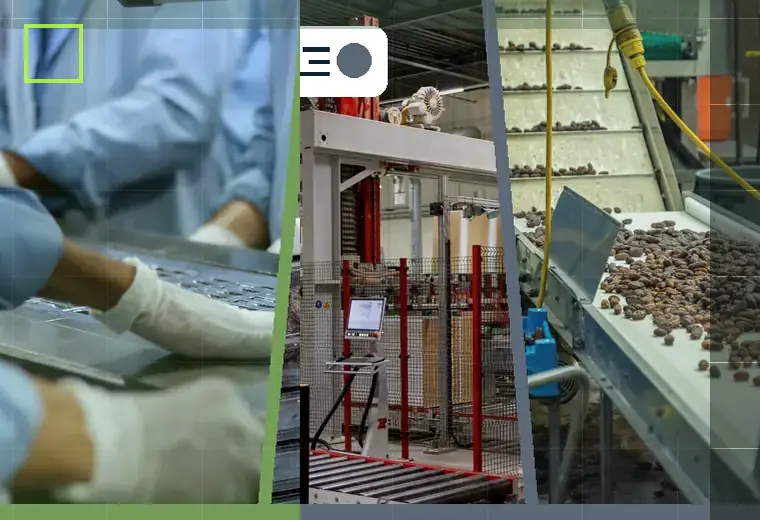 Preparation and feeding
Measure product loss, rejected packaging, rework and start-up waste separately, then remove the largest repeatable cause.
See the checks →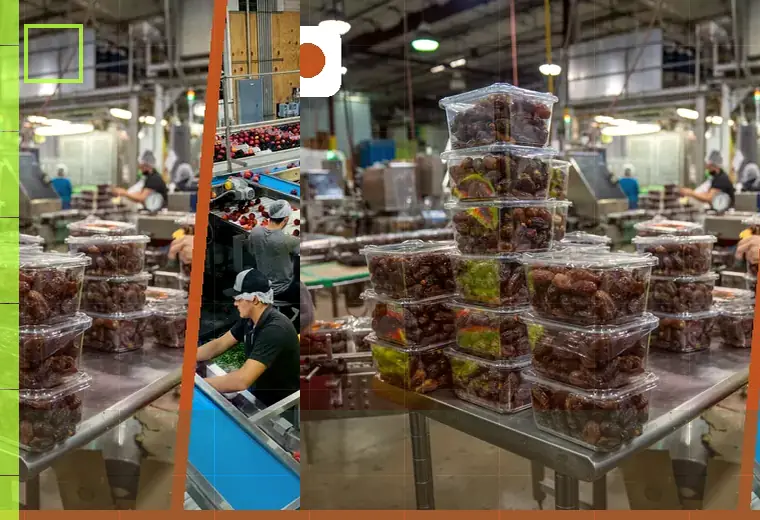 Preparation and feeding
Measure product loss, rejected packaging, rework and start-up waste separately, then remove the largest repeatable cause.
See the checks → Preparation and feeding
Measure product loss, rejected packaging, rework and start-up waste separately, then remove the largest repeatable cause.
See the checks →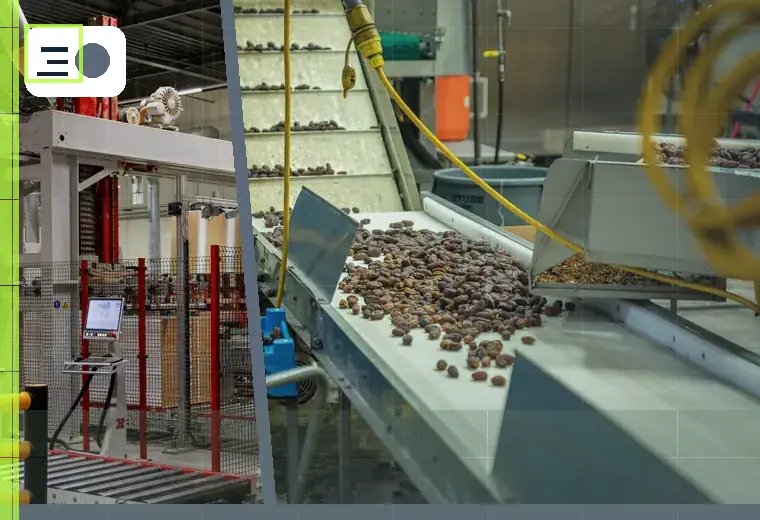 Preparation and feeding
Measure product loss, rejected packaging, rework and start-up waste separately, then remove the largest repeatable cause.
See the checks →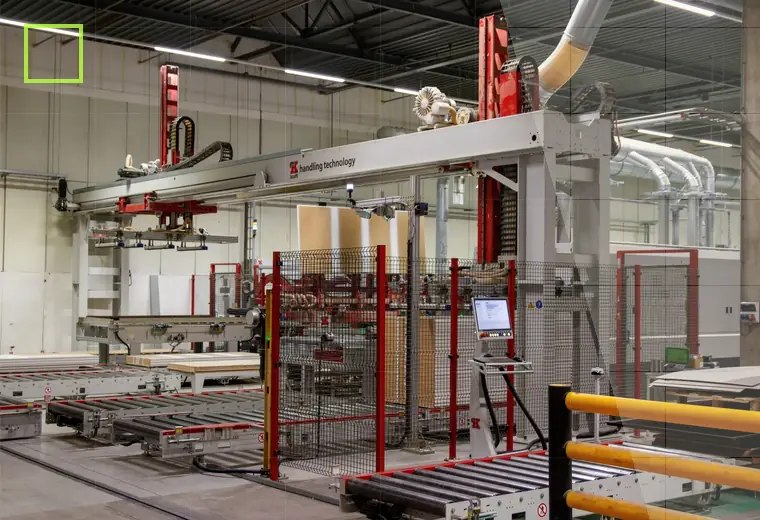 Preparation and feeding
Measure product loss, rejected packaging, rework and start-up waste separately, then remove the largest repeatable cause.
See the checks → Preparation and feeding
Measure product loss, rejected packaging, rework and start-up waste separately, then remove the largest repeatable cause.
See the checks → Conveyors, automation and lines
Measure product loss, rejected packaging, rework and start-up waste separately, then remove the largest repeatable cause.
See the checks → Conveyors, automation and lines
Measure product loss, rejected packaging, rework and start-up waste separately, then remove the largest repeatable cause.
See the checks → Conveyors, automation and lines
Measure product loss, rejected packaging, rework and start-up waste separately, then remove the largest repeatable cause.
See the checks → Conveyors, automation and lines
Measure product loss, rejected packaging, rework and start-up waste separately, then remove the largest repeatable cause.
See the checks → Conveyors, automation and lines
Measure product loss, rejected packaging, rework and start-up waste separately, then remove the largest repeatable cause.
See the checks → Conveyors, automation and lines
Measure product loss, rejected packaging, rework and start-up waste separately, then remove the largest repeatable cause.
See the checks → Conveyors, automation and lines
Measure product loss, rejected packaging, rework and start-up waste separately, then remove the largest repeatable cause.
See the checks → Conveyors, automation and lines
Measure product loss, rejected packaging, rework and start-up waste separately, then remove the largest repeatable cause.
See the checks → Conveyors, automation and lines
Measure product loss, rejected packaging, rework and start-up waste separately, then remove the largest repeatable cause.
See the checks → Conveyors, automation and lines
Measure product loss, rejected packaging, rework and start-up waste separately, then remove the largest repeatable cause.
See the checks → Conveyors, automation and lines
Measure product loss, rejected packaging, rework and start-up waste separately, then remove the largest repeatable cause.
See the checks → Conveyors, automation and lines
Measure product loss, rejected packaging, rework and start-up waste separately, then remove the largest repeatable cause.
See the checks → Conveyors, automation and lines
Measure product loss, rejected packaging, rework and start-up waste separately, then remove the largest repeatable cause.
See the checks → Conveyors, automation and lines
Measure product loss, rejected packaging, rework and start-up waste separately, then remove the largest repeatable cause.
See the checks → Conveyors, automation and lines
Measure product loss, rejected packaging, rework and start-up waste separately, then remove the largest repeatable cause.
See the checks → Conveyors, automation and lines
Measure product loss, rejected packaging, rework and start-up waste separately, then remove the largest repeatable cause.
See the checks → Conveyors, automation and lines
Measure product loss, rejected packaging, rework and start-up waste separately, then remove the largest repeatable cause.
See the checks → Conveyors, automation and lines
Measure product loss, rejected packaging, rework and start-up waste separately, then remove the largest repeatable cause.
See the checks → Conveyors, automation and lines
Measure product loss, rejected packaging, rework and start-up waste separately, then remove the largest repeatable cause.
See the checks → Conveyors, automation and lines
Measure product loss, rejected packaging, rework and start-up waste separately, then remove the largest repeatable cause.
See the checks → Packaging materials and formats
Measure product loss, rejected packaging, rework and start-up waste separately, then remove the largest repeatable cause.
See the checks → Packaging materials and formats
Measure product loss, rejected packaging, rework and start-up waste separately, then remove the largest repeatable cause.
See the checks → Packaging materials and formats
Measure product loss, rejected packaging, rework and start-up waste separately, then remove the largest repeatable cause.
See the checks → Packaging materials and formats
Measure product loss, rejected packaging, rework and start-up waste separately, then remove the largest repeatable cause.
See the checks → Packaging materials and formats
Measure product loss, rejected packaging, rework and start-up waste separately, then remove the largest repeatable cause.
See the checks → Packaging materials and formats
Measure product loss, rejected packaging, rework and start-up waste separately, then remove the largest repeatable cause.
See the checks → Packaging materials and formats
Measure product loss, rejected packaging, rework and start-up waste separately, then remove the largest repeatable cause.
See the checks → Packaging materials and formats
Measure product loss, rejected packaging, rework and start-up waste separately, then remove the largest repeatable cause.
See the checks → Packaging materials and formats
Measure product loss, rejected packaging, rework and start-up waste separately, then remove the largest repeatable cause.
See the checks → Packaging materials and formats
Measure product loss, rejected packaging, rework and start-up waste separately, then remove the largest repeatable cause.
See the checks → Packaging materials and formats
Measure product loss, rejected packaging, rework and start-up waste separately, then remove the largest repeatable cause.
See the checks → Packaging materials and formats
Measure product loss, rejected packaging, rework and start-up waste separately, then remove the largest repeatable cause.
See the checks → Packaging materials and formats
Measure product loss, rejected packaging, rework and start-up waste separately, then remove the largest repeatable cause.
See the checks → Packaging materials and formats
Measure product loss, rejected packaging, rework and start-up waste separately, then remove the largest repeatable cause.
See the checks → Packaging materials and formats
Measure product loss, rejected packaging, rework and start-up waste separately, then remove the largest repeatable cause.
See the checks → Industries and operating models
Measure product loss, rejected packaging, rework and start-up waste separately, then remove the largest repeatable cause.
See the checks → Industries and operating models
Measure product loss, rejected packaging, rework and start-up waste separately, then remove the largest repeatable cause.
See the checks → Industries and operating models
Measure product loss, rejected packaging, rework and start-up waste separately, then remove the largest repeatable cause.
See the checks → Industries and operating models
Measure product loss, rejected packaging, rework and start-up waste separately, then remove the largest repeatable cause.
See the checks → Industries and operating models
Measure product loss, rejected packaging, rework and start-up waste separately, then remove the largest repeatable cause.
See the checks → Industries and operating models
Measure product loss, rejected packaging, rework and start-up waste separately, then remove the largest repeatable cause.
See the checks → Industries and operating models
Measure product loss, rejected packaging, rework and start-up waste separately, then remove the largest repeatable cause.
See the checks → Industries and operating models
Measure product loss, rejected packaging, rework and start-up waste separately, then remove the largest repeatable cause.
See the checks → Industries and operating models
Measure product loss, rejected packaging, rework and start-up waste separately, then remove the largest repeatable cause.
See the checks → Industries and operating models
Measure product loss, rejected packaging, rework and start-up waste separately, then remove the largest repeatable cause.
See the checks → Industries and operating models
Measure product loss, rejected packaging, rework and start-up waste separately, then remove the largest repeatable cause.
See the checks → Industries and operating models
Measure product loss, rejected packaging, rework and start-up waste separately, then remove the largest repeatable cause.
See the checks → Industries and operating models
Measure product loss, rejected packaging, rework and start-up waste separately, then remove the largest repeatable cause.
See the checks →Use the questions below to prepare the information needed for a useful recommendation.
Use these pages to turn the visible symptom into a capacity, quality, reliability or investment decision.
Tell us what you are producing, the pack you use and the problem you can see. The secure form will route your question to the right production specialist.