Start with the problem you can see

Compatibility

Compatibility must be proven across product contact, storage, temperature, pressure, sealing, labelling, handling and the normal range of supplier variation. Choose the product, pack or process that most closely matches the fault.

197products and processes
10production areas
7checks to make
61machinery routes
Production issue relating to compatibility
Liquid filling

24 questions

Production process relating to thin free-flowing liquidsLiquid filling

How do I check product and packaging compatibility for thin free-flowing liquids?

Compatibility must be proven across product contact, storage, temperature, pressure, sealing, labelling, handling and the normal range of supplier variation.

See the checks →
Production process relating to foamy liquidsLiquid filling

How do I check product and packaging compatibility for foamy liquids?

Compatibility must be proven across product contact, storage, temperature, pressure, sealing, labelling, handling and the normal range of supplier variation.

See the checks →
Production process relating to viscous liquidsLiquid filling

How do I check product and packaging compatibility for viscous liquids?

Compatibility must be proven across product contact, storage, temperature, pressure, sealing, labelling, handling and the normal range of supplier variation.

See the checks →
Production process relating to abrasive liquidsLiquid filling

How do I check product and packaging compatibility for abrasive liquids?

Compatibility must be proven across product contact, storage, temperature, pressure, sealing, labelling, handling and the normal range of supplier variation.

See the checks →
Production process relating to corrosive liquidsLiquid filling

How do I check product and packaging compatibility for corrosive liquids?

Compatibility must be proven across product contact, storage, temperature, pressure, sealing, labelling, handling and the normal range of supplier variation.

See the checks →
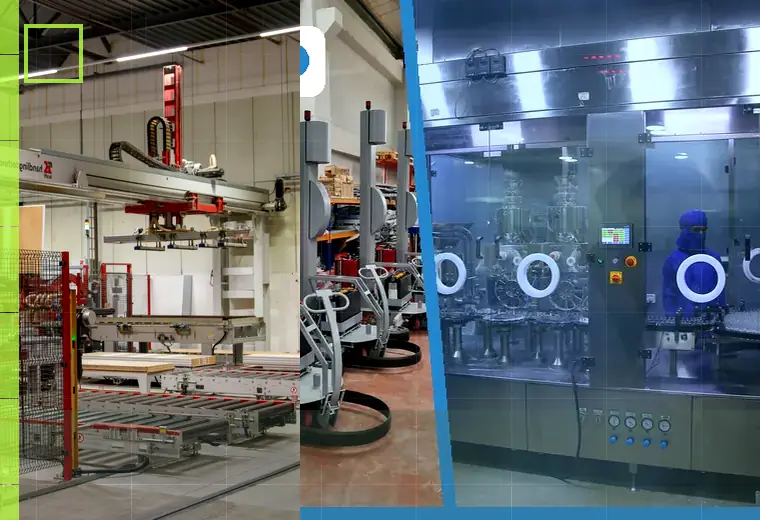
Production process relating to flammable liquidsLiquid filling

How do I check product and packaging compatibility for flammable liquids?

Compatibility must be proven across product contact, storage, temperature, pressure, sealing, labelling, handling and the normal range of supplier variation.

See the checks →
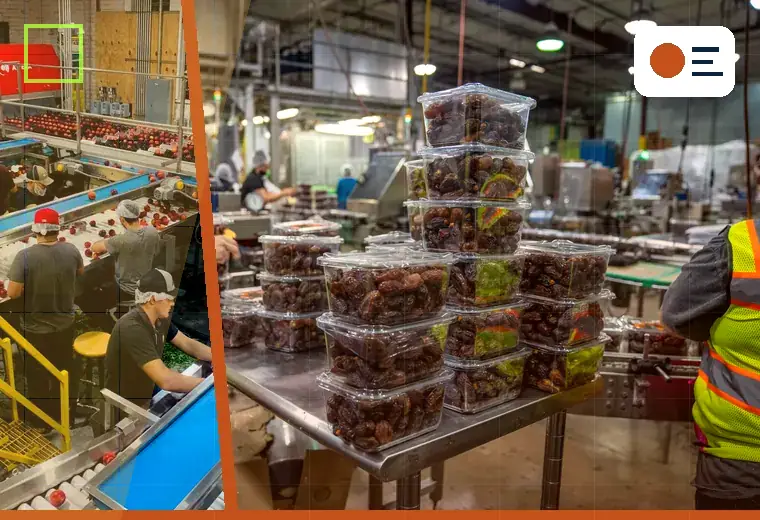
Production process relating to carbonated drinksLiquid filling

How do I check product and packaging compatibility for carbonated drinks?

Compatibility must be proven across product contact, storage, temperature, pressure, sealing, labelling, handling and the normal range of supplier variation.

See the checks →

Production process relating to water and still drinksLiquid filling

How do I check product and packaging compatibility for water and still drinks?

Compatibility must be proven across product contact, storage, temperature, pressure, sealing, labelling, handling and the normal range of supplier variation.

See the checks →
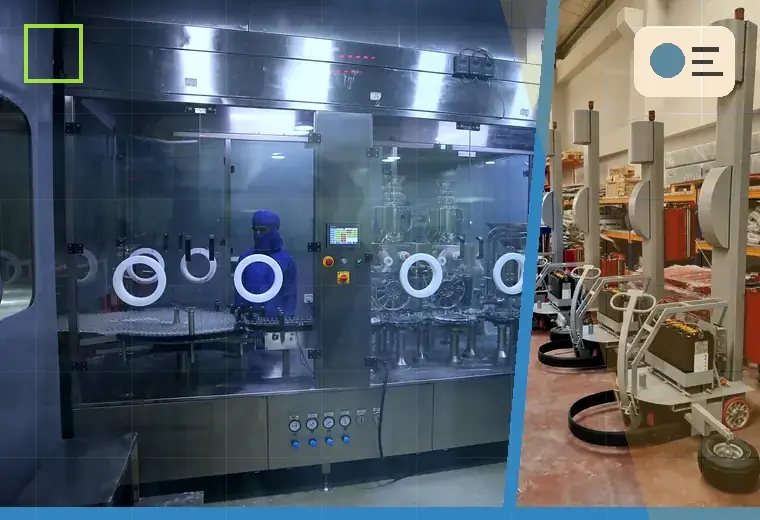
Production process relating to oils and lubricantsLiquid filling

How do I check product and packaging compatibility for oils and lubricants?

Compatibility must be proven across product contact, storage, temperature, pressure, sealing, labelling, handling and the normal range of supplier variation.

See the checks →
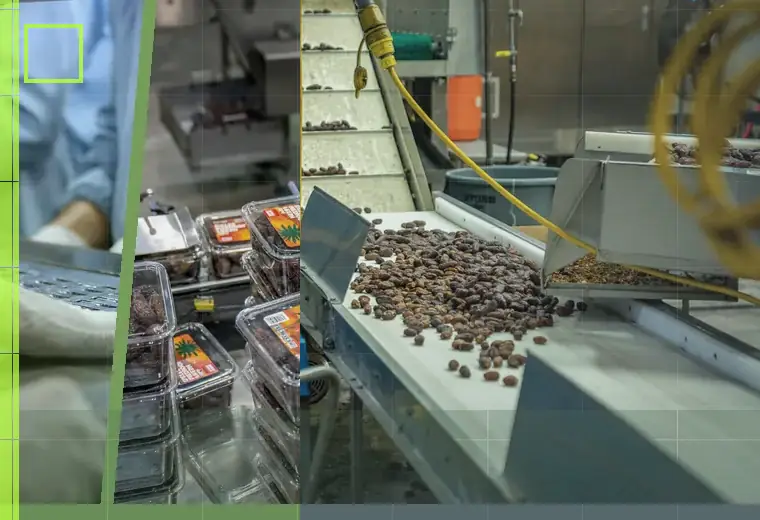
Production process relating to sauces and dressingsLiquid filling

How do I check product and packaging compatibility for sauces and dressings?

Compatibility must be proven across product contact, storage, temperature, pressure, sealing, labelling, handling and the normal range of supplier variation.

See the checks →
Production process relating to creams and lotionsLiquid filling

How do I check product and packaging compatibility for creams and lotions?

Compatibility must be proven across product contact, storage, temperature, pressure, sealing, labelling, handling and the normal range of supplier variation.

See the checks →
Production process relating to gels and pastesLiquid filling

How do I check product and packaging compatibility for gels and pastes?

Compatibility must be proven across product contact, storage, temperature, pressure, sealing, labelling, handling and the normal range of supplier variation.

See the checks →
Production process relating to syrups and honeyLiquid filling

How do I check product and packaging compatibility for syrups and honey?

Compatibility must be proven across product contact, storage, temperature, pressure, sealing, labelling, handling and the normal range of supplier variation.

See the checks →
Production process relating to paints and coatingsLiquid filling

How do I check product and packaging compatibility for paints and coatings?

Compatibility must be proven across product contact, storage, temperature, pressure, sealing, labelling, handling and the normal range of supplier variation.

See the checks →
Production process relating to adhesives and sealantsLiquid filling

How do I check product and packaging compatibility for adhesives and sealants?

Compatibility must be proven across product contact, storage, temperature, pressure, sealing, labelling, handling and the normal range of supplier variation.

See the checks →
Production process relating to cleaning chemicalsLiquid filling

How do I check product and packaging compatibility for cleaning chemicals?

Compatibility must be proven across product contact, storage, temperature, pressure, sealing, labelling, handling and the normal range of supplier variation.

See the checks →
Production process relating to solventsLiquid filling

How do I check product and packaging compatibility for solvents?

Compatibility must be proven across product contact, storage, temperature, pressure, sealing, labelling, handling and the normal range of supplier variation.

See the checks →
Production process relating to alcohol-based productsLiquid filling

How do I check product and packaging compatibility for alcohol-based products?

Compatibility must be proven across product contact, storage, temperature, pressure, sealing, labelling, handling and the normal range of supplier variation.

See the checks →
Production process relating to dairy liquidsLiquid filling

How do I check product and packaging compatibility for dairy liquids?

Compatibility must be proven across product contact, storage, temperature, pressure, sealing, labelling, handling and the normal range of supplier variation.

See the checks →
Production process relating to hot-fill productsLiquid filling

How do I check product and packaging compatibility for hot-fill products?

Compatibility must be proven across product contact, storage, temperature, pressure, sealing, labelling, handling and the normal range of supplier variation.

See the checks →
Production process relating to liquids with particlesLiquid filling

How do I check product and packaging compatibility for liquids with particles?

Compatibility must be proven across product contact, storage, temperature, pressure, sealing, labelling, handling and the normal range of supplier variation.

See the checks →
Production process relating to high-value liquidsLiquid filling

How do I check product and packaging compatibility for high-value liquids?

Compatibility must be proven across product contact, storage, temperature, pressure, sealing, labelling, handling and the normal range of supplier variation.

See the checks →
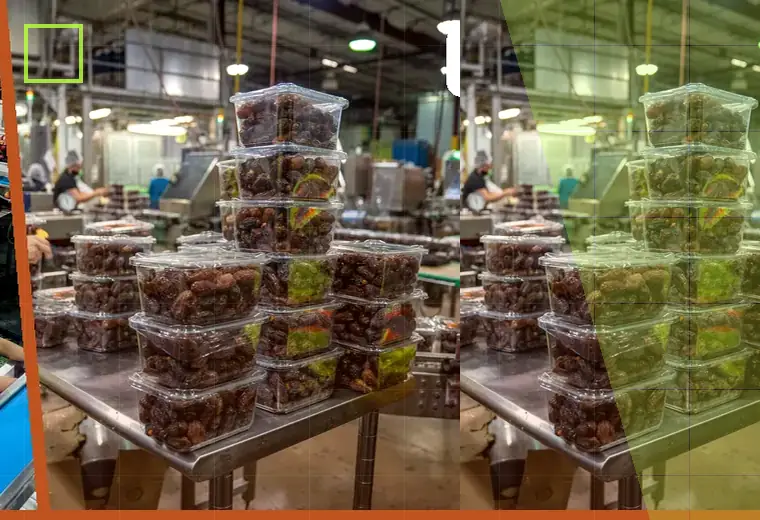
Production process relating to large-volume jerrycansLiquid filling

How do I check product and packaging compatibility for large-volume jerrycans?

Compatibility must be proven across product contact, storage, temperature, pressure, sealing, labelling, handling and the normal range of supplier variation.

See the checks →
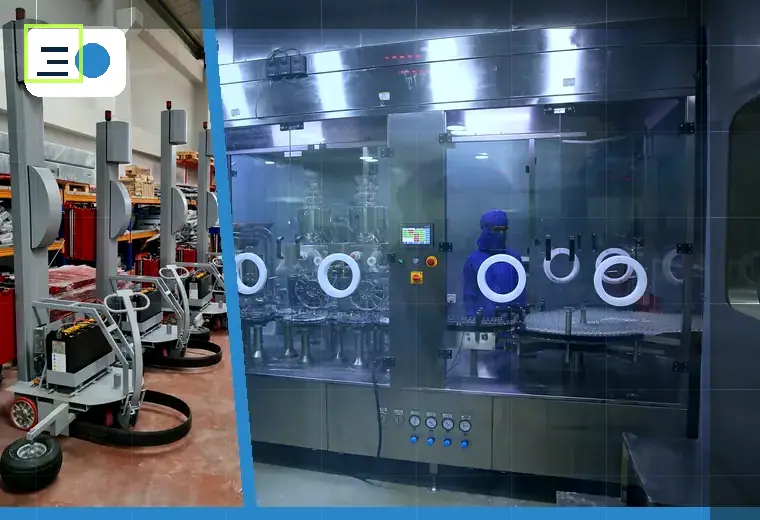
Production process relating to small-dose liquidsLiquid filling

How do I check product and packaging compatibility for small-dose liquids?

Compatibility must be proven across product contact, storage, temperature, pressure, sealing, labelling, handling and the normal range of supplier variation.

See the checks →
Powders, granules and pieces

23 questions

Production process relating to fine powdersPowders, granules and pieces

How do I check product and packaging compatibility for fine powders?

Compatibility must be proven across product contact, storage, temperature, pressure, sealing, labelling, handling and the normal range of supplier variation.

See the checks →
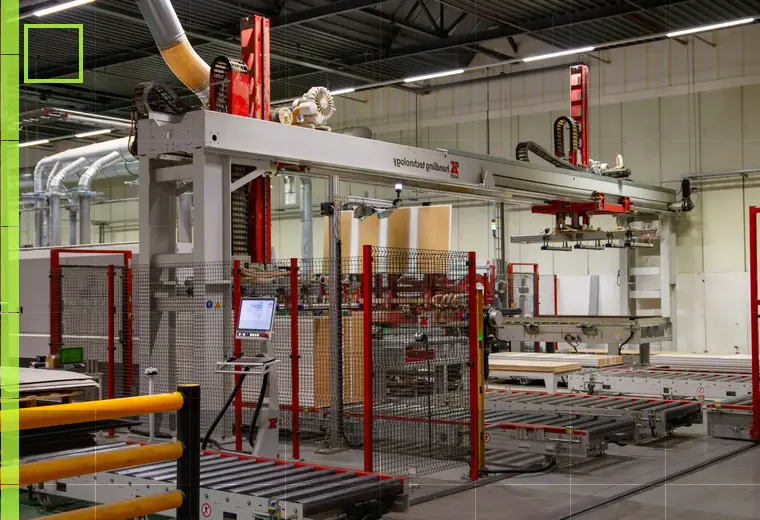
Production process relating to free-flowing powdersPowders, granules and pieces

How do I check product and packaging compatibility for free-flowing powders?

Compatibility must be proven across product contact, storage, temperature, pressure, sealing, labelling, handling and the normal range of supplier variation.

See the checks →
Production process relating to cohesive powdersPowders, granules and pieces

How do I check product and packaging compatibility for cohesive powders?

Compatibility must be proven across product contact, storage, temperature, pressure, sealing, labelling, handling and the normal range of supplier variation.

See the checks →
Production process relating to dusty powdersPowders, granules and pieces

How do I check product and packaging compatibility for dusty powders?

Compatibility must be proven across product contact, storage, temperature, pressure, sealing, labelling, handling and the normal range of supplier variation.

See the checks →
Production process relating to aerated powdersPowders, granules and pieces

How do I check product and packaging compatibility for aerated powders?

Compatibility must be proven across product contact, storage, temperature, pressure, sealing, labelling, handling and the normal range of supplier variation.

See the checks →
Production process relating to hygroscopic powdersPowders, granules and pieces

How do I check product and packaging compatibility for hygroscopic powders?

Compatibility must be proven across product contact, storage, temperature, pressure, sealing, labelling, handling and the normal range of supplier variation.

See the checks →
Production process relating to abrasive powdersPowders, granules and pieces

How do I check product and packaging compatibility for abrasive powders?

Compatibility must be proven across product contact, storage, temperature, pressure, sealing, labelling, handling and the normal range of supplier variation.

See the checks →
Production process relating to pharmaceutical powdersPowders, granules and pieces

How do I check product and packaging compatibility for pharmaceutical powders?

Compatibility must be proven across product contact, storage, temperature, pressure, sealing, labelling, handling and the normal range of supplier variation.

See the checks →
Production process relating to food powdersPowders, granules and pieces

How do I check product and packaging compatibility for food powders?

Compatibility must be proven across product contact, storage, temperature, pressure, sealing, labelling, handling and the normal range of supplier variation.

See the checks →
Production process relating to protein powdersPowders, granules and pieces

How do I check product and packaging compatibility for protein powders?

Compatibility must be proven across product contact, storage, temperature, pressure, sealing, labelling, handling and the normal range of supplier variation.

See the checks →
Production process relating to flour and starchPowders, granules and pieces

How do I check product and packaging compatibility for flour and starch?

Compatibility must be proven across product contact, storage, temperature, pressure, sealing, labelling, handling and the normal range of supplier variation.

See the checks →
Production process relating to spices and seasoningsPowders, granules and pieces

How do I check product and packaging compatibility for spices and seasonings?

Compatibility must be proven across product contact, storage, temperature, pressure, sealing, labelling, handling and the normal range of supplier variation.

See the checks →
Production process relating to coffee and teaPowders, granules and pieces

How do I check product and packaging compatibility for coffee and tea?

Compatibility must be proven across product contact, storage, temperature, pressure, sealing, labelling, handling and the normal range of supplier variation.

See the checks →
Production process relating to sugar and saltPowders, granules and pieces

How do I check product and packaging compatibility for sugar and salt?

Compatibility must be proven across product contact, storage, temperature, pressure, sealing, labelling, handling and the normal range of supplier variation.

See the checks →
Production process relating to seeds and grainsPowders, granules and pieces

How do I check product and packaging compatibility for seeds and grains?

Compatibility must be proven across product contact, storage, temperature, pressure, sealing, labelling, handling and the normal range of supplier variation.

See the checks →
Production process relating to pet foodPowders, granules and pieces

How do I check product and packaging compatibility for pet food?

Compatibility must be proven across product contact, storage, temperature, pressure, sealing, labelling, handling and the normal range of supplier variation.

See the checks →
Production process relating to snacks and confectioneryPowders, granules and pieces

How do I check product and packaging compatibility for snacks and confectionery?

Compatibility must be proven across product contact, storage, temperature, pressure, sealing, labelling, handling and the normal range of supplier variation.

See the checks →
Production process relating to fragile piecesPowders, granules and pieces

How do I check product and packaging compatibility for fragile pieces?

Compatibility must be proven across product contact, storage, temperature, pressure, sealing, labelling, handling and the normal range of supplier variation.

See the checks →
Production process relating to mixed-size piecesPowders, granules and pieces

How do I check product and packaging compatibility for mixed-size pieces?

Compatibility must be proven across product contact, storage, temperature, pressure, sealing, labelling, handling and the normal range of supplier variation.

See the checks →
Production process relating to granules and pelletsPowders, granules and pieces

How do I check product and packaging compatibility for granules and pellets?

Compatibility must be proven across product contact, storage, temperature, pressure, sealing, labelling, handling and the normal range of supplier variation.

See the checks →
Production process relating to tablets and capsulesPowders, granules and pieces

How do I check product and packaging compatibility for tablets and capsules?

Compatibility must be proven across product contact, storage, temperature, pressure, sealing, labelling, handling and the normal range of supplier variation.

See the checks →
Production process relating to hardware and componentsPowders, granules and pieces

How do I check product and packaging compatibility for hardware and components?

Compatibility must be proven across product contact, storage, temperature, pressure, sealing, labelling, handling and the normal range of supplier variation.

See the checks →
Production process relating to frozen piecesPowders, granules and pieces

How do I check product and packaging compatibility for frozen pieces?

Compatibility must be proven across product contact, storage, temperature, pressure, sealing, labelling, handling and the normal range of supplier variation.

See the checks →
Capping and closures

25 questions

Production process relating to plastic screw capsCapping and closures

How do I check product and packaging compatibility for plastic screw caps?

Compatibility must be proven across product contact, storage, temperature, pressure, sealing, labelling, handling and the normal range of supplier variation.

See the checks →
Production process relating to metal screw capsCapping and closures

How do I check product and packaging compatibility for metal screw caps?

Compatibility must be proven across product contact, storage, temperature, pressure, sealing, labelling, handling and the normal range of supplier variation.

See the checks →
Production process relating to child-resistant capsCapping and closures

How do I check product and packaging compatibility for child-resistant caps?

Compatibility must be proven across product contact, storage, temperature, pressure, sealing, labelling, handling and the normal range of supplier variation.

See the checks →
Production process relating to tamper-evident capsCapping and closures

How do I check product and packaging compatibility for tamper-evident caps?

Compatibility must be proven across product contact, storage, temperature, pressure, sealing, labelling, handling and the normal range of supplier variation.

See the checks →
Production process relating to dispensing pumpsCapping and closures

How do I check product and packaging compatibility for dispensing pumps?

Compatibility must be proven across product contact, storage, temperature, pressure, sealing, labelling, handling and the normal range of supplier variation.

See the checks →
Production process relating to trigger spraysCapping and closures

How do I check product and packaging compatibility for trigger sprays?

Compatibility must be proven across product contact, storage, temperature, pressure, sealing, labelling, handling and the normal range of supplier variation.

See the checks →
Production process relating to lotion pumpsCapping and closures

How do I check product and packaging compatibility for lotion pumps?

Compatibility must be proven across product contact, storage, temperature, pressure, sealing, labelling, handling and the normal range of supplier variation.

See the checks →
Production process relating to dropper capsCapping and closures

How do I check product and packaging compatibility for dropper caps?

Compatibility must be proven across product contact, storage, temperature, pressure, sealing, labelling, handling and the normal range of supplier variation.

See the checks →
Production process relating to pipette closuresCapping and closures

How do I check product and packaging compatibility for pipette closures?

Compatibility must be proven across product contact, storage, temperature, pressure, sealing, labelling, handling and the normal range of supplier variation.

See the checks →
Production process relating to t-corks and bar topsCapping and closures

How do I check product and packaging compatibility for t-corks and bar tops?

Compatibility must be proven across product contact, storage, temperature, pressure, sealing, labelling, handling and the normal range of supplier variation.

See the checks →
Production process relating to ropp aluminium capsCapping and closures

How do I check product and packaging compatibility for ropp aluminium caps?

Compatibility must be proven across product contact, storage, temperature, pressure, sealing, labelling, handling and the normal range of supplier variation.

See the checks →
Production process relating to twist-off jar lidsCapping and closures

How do I check product and packaging compatibility for twist-off jar lids?

Compatibility must be proven across product contact, storage, temperature, pressure, sealing, labelling, handling and the normal range of supplier variation.

See the checks →
Production process relating to vacuum lidsCapping and closures

How do I check product and packaging compatibility for vacuum lids?

Compatibility must be proven across product contact, storage, temperature, pressure, sealing, labelling, handling and the normal range of supplier variation.

See the checks →
Production process relating to press-on capsCapping and closures

How do I check product and packaging compatibility for press-on caps?

Compatibility must be proven across product contact, storage, temperature, pressure, sealing, labelling, handling and the normal range of supplier variation.

See the checks →
Production process relating to snap capsCapping and closures

How do I check product and packaging compatibility for snap caps?

Compatibility must be proven across product contact, storage, temperature, pressure, sealing, labelling, handling and the normal range of supplier variation.

See the checks →
Production process relating to flip-top capsCapping and closures

How do I check product and packaging compatibility for flip-top caps?

Compatibility must be proven across product contact, storage, temperature, pressure, sealing, labelling, handling and the normal range of supplier variation.

See the checks →
Production process relating to sports capsCapping and closures

How do I check product and packaging compatibility for sports caps?

Compatibility must be proven across product contact, storage, temperature, pressure, sealing, labelling, handling and the normal range of supplier variation.

See the checks →
Production process relating to disc-top capsCapping and closures

How do I check product and packaging compatibility for disc-top caps?

Compatibility must be proven across product contact, storage, temperature, pressure, sealing, labelling, handling and the normal range of supplier variation.

See the checks →
Production process relating to nozzles and plugsCapping and closures

How do I check product and packaging compatibility for nozzles and plugs?

Compatibility must be proven across product contact, storage, temperature, pressure, sealing, labelling, handling and the normal range of supplier variation.

See the checks →
Production process relating to stoppers and bungsCapping and closures

How do I check product and packaging compatibility for stoppers and bungs?

Compatibility must be proven across product contact, storage, temperature, pressure, sealing, labelling, handling and the normal range of supplier variation.

See the checks →
Production process relating to overcapsCapping and closures

How do I check product and packaging compatibility for overcaps?

Compatibility must be proven across product contact, storage, temperature, pressure, sealing, labelling, handling and the normal range of supplier variation.

See the checks →
Production process relating to caps with linersCapping and closures

How do I check product and packaging compatibility for caps with liners?

Compatibility must be proven across product contact, storage, temperature, pressure, sealing, labelling, handling and the normal range of supplier variation.

See the checks →
Production process relating to caps with dip tubesCapping and closures

How do I check product and packaging compatibility for caps with dip tubes?

Compatibility must be proven across product contact, storage, temperature, pressure, sealing, labelling, handling and the normal range of supplier variation.

See the checks →
Production process relating to large drum closuresCapping and closures

How do I check product and packaging compatibility for large drum closures?

Compatibility must be proven across product contact, storage, temperature, pressure, sealing, labelling, handling and the normal range of supplier variation.

See the checks →
Production process relating to cap feeding and sortingCapping and closures

How do I check product and packaging compatibility for cap feeding and sorting?

Compatibility must be proven across product contact, storage, temperature, pressure, sealing, labelling, handling and the normal range of supplier variation.

See the checks →
Labelling and coding

24 questions

Production process relating to round bottle wrap labelsLabelling and coding

How do I check product and packaging compatibility for round bottle wrap labels?

Compatibility must be proven across product contact, storage, temperature, pressure, sealing, labelling, handling and the normal range of supplier variation.

See the checks →
Production process relating to front and back labelsLabelling and coding

How do I check product and packaging compatibility for front and back labels?

Compatibility must be proven across product contact, storage, temperature, pressure, sealing, labelling, handling and the normal range of supplier variation.

See the checks →
Production process relating to flat-surface labelsLabelling and coding

How do I check product and packaging compatibility for flat-surface labels?

Compatibility must be proven across product contact, storage, temperature, pressure, sealing, labelling, handling and the normal range of supplier variation.

See the checks →
Production process relating to tapered containersLabelling and coding

How do I check product and packaging compatibility for tapered containers?

Compatibility must be proven across product contact, storage, temperature, pressure, sealing, labelling, handling and the normal range of supplier variation.

See the checks →
Production process relating to oval containersLabelling and coding

How do I check product and packaging compatibility for oval containers?

Compatibility must be proven across product contact, storage, temperature, pressure, sealing, labelling, handling and the normal range of supplier variation.

See the checks →
Production process relating to square and rectangular containersLabelling and coding

How do I check product and packaging compatibility for square and rectangular containers?

Compatibility must be proven across product contact, storage, temperature, pressure, sealing, labelling, handling and the normal range of supplier variation.

See the checks →
Production process relating to small-diameter containersLabelling and coding

How do I check product and packaging compatibility for small-diameter containers?

Compatibility must be proven across product contact, storage, temperature, pressure, sealing, labelling, handling and the normal range of supplier variation.

See the checks →
Production process relating to large containersLabelling and coding

How do I check product and packaging compatibility for large containers?

Compatibility must be proven across product contact, storage, temperature, pressure, sealing, labelling, handling and the normal range of supplier variation.

See the checks →
Production process relating to top labelsLabelling and coding

How do I check product and packaging compatibility for top labels?

Compatibility must be proven across product contact, storage, temperature, pressure, sealing, labelling, handling and the normal range of supplier variation.

See the checks →
Production process relating to base labelsLabelling and coding

How do I check product and packaging compatibility for base labels?

Compatibility must be proven across product contact, storage, temperature, pressure, sealing, labelling, handling and the normal range of supplier variation.

See the checks →
Production process relating to tamper bandsLabelling and coding

How do I check product and packaging compatibility for tamper bands?

Compatibility must be proven across product contact, storage, temperature, pressure, sealing, labelling, handling and the normal range of supplier variation.

See the checks →
Production process relating to shrink sleevesLabelling and coding

How do I check product and packaging compatibility for shrink sleeves?

Compatibility must be proven across product contact, storage, temperature, pressure, sealing, labelling, handling and the normal range of supplier variation.

See the checks →
Production process relating to full-body sleevesLabelling and coding

How do I check product and packaging compatibility for full-body sleeves?

Compatibility must be proven across product contact, storage, temperature, pressure, sealing, labelling, handling and the normal range of supplier variation.

See the checks →
Production process relating to print-and-apply labelsLabelling and coding

How do I check product and packaging compatibility for print-and-apply labels?

Compatibility must be proven across product contact, storage, temperature, pressure, sealing, labelling, handling and the normal range of supplier variation.

See the checks →
Production process relating to shipping labelsLabelling and coding

How do I check product and packaging compatibility for shipping labels?

Compatibility must be proven across product contact, storage, temperature, pressure, sealing, labelling, handling and the normal range of supplier variation.

See the checks →
Production process relating to pallet labelsLabelling and coding

How do I check product and packaging compatibility for pallet labels?

Compatibility must be proven across product contact, storage, temperature, pressure, sealing, labelling, handling and the normal range of supplier variation.

See the checks →
Production process relating to date codingLabelling and coding

How do I check product and packaging compatibility for date coding?

Compatibility must be proven across product contact, storage, temperature, pressure, sealing, labelling, handling and the normal range of supplier variation.

See the checks →
Production process relating to batch codingLabelling and coding

How do I check product and packaging compatibility for batch coding?

Compatibility must be proven across product contact, storage, temperature, pressure, sealing, labelling, handling and the normal range of supplier variation.

See the checks →
Production process relating to barcode printingLabelling and coding

How do I check product and packaging compatibility for barcode printing?

Compatibility must be proven across product contact, storage, temperature, pressure, sealing, labelling, handling and the normal range of supplier variation.

See the checks →
Production process relating to qr-code printingLabelling and coding

How do I check product and packaging compatibility for qr-code printing?

Compatibility must be proven across product contact, storage, temperature, pressure, sealing, labelling, handling and the normal range of supplier variation.

See the checks →
Production process relating to thermal-transfer codingLabelling and coding

How do I check product and packaging compatibility for thermal-transfer coding?

Compatibility must be proven across product contact, storage, temperature, pressure, sealing, labelling, handling and the normal range of supplier variation.

See the checks →
Production process relating to inkjet codingLabelling and coding

How do I check product and packaging compatibility for inkjet coding?

Compatibility must be proven across product contact, storage, temperature, pressure, sealing, labelling, handling and the normal range of supplier variation.

See the checks →
Production process relating to label inspectionLabelling and coding

How do I check product and packaging compatibility for label inspection?

Compatibility must be proven across product contact, storage, temperature, pressure, sealing, labelling, handling and the normal range of supplier variation.

See the checks →
Production process relating to container orientationLabelling and coding

How do I check product and packaging compatibility for container orientation?

Compatibility must be proven across product contact, storage, temperature, pressure, sealing, labelling, handling and the normal range of supplier variation.

See the checks →
Flexible packaging

18 questions

Production process relating to premade pouchesFlexible packaging

How do I check product and packaging compatibility for premade pouches?

Compatibility must be proven across product contact, storage, temperature, pressure, sealing, labelling, handling and the normal range of supplier variation.

See the checks →
Production process relating to stand-up pouchesFlexible packaging

How do I check product and packaging compatibility for stand-up pouches?

Compatibility must be proven across product contact, storage, temperature, pressure, sealing, labelling, handling and the normal range of supplier variation.

See the checks →
Production process relating to zipper pouchesFlexible packaging

How do I check product and packaging compatibility for zipper pouches?

Compatibility must be proven across product contact, storage, temperature, pressure, sealing, labelling, handling and the normal range of supplier variation.

See the checks →
Production process relating to spouted pouchesFlexible packaging

How do I check product and packaging compatibility for spouted pouches?

Compatibility must be proven across product contact, storage, temperature, pressure, sealing, labelling, handling and the normal range of supplier variation.

See the checks →
Production process relating to sachetsFlexible packaging

How do I check product and packaging compatibility for sachets?

Compatibility must be proven across product contact, storage, temperature, pressure, sealing, labelling, handling and the normal range of supplier variation.

See the checks →
Production process relating to stick packsFlexible packaging

How do I check product and packaging compatibility for stick packs?

Compatibility must be proven across product contact, storage, temperature, pressure, sealing, labelling, handling and the normal range of supplier variation.

See the checks →
Production process relating to vertical form-fill-seal bagsFlexible packaging

How do I check product and packaging compatibility for vertical form-fill-seal bags?

Compatibility must be proven across product contact, storage, temperature, pressure, sealing, labelling, handling and the normal range of supplier variation.

See the checks →
Production process relating to pillow bagsFlexible packaging

How do I check product and packaging compatibility for pillow bags?

Compatibility must be proven across product contact, storage, temperature, pressure, sealing, labelling, handling and the normal range of supplier variation.

See the checks →
Production process relating to gusset bagsFlexible packaging

How do I check product and packaging compatibility for gusset bags?

Compatibility must be proven across product contact, storage, temperature, pressure, sealing, labelling, handling and the normal range of supplier variation.

See the checks →
Production process relating to quad-seal bagsFlexible packaging

How do I check product and packaging compatibility for quad-seal bags?

Compatibility must be proven across product contact, storage, temperature, pressure, sealing, labelling, handling and the normal range of supplier variation.

See the checks →
Production process relating to flow wrapsFlexible packaging

How do I check product and packaging compatibility for flow wraps?

Compatibility must be proven across product contact, storage, temperature, pressure, sealing, labelling, handling and the normal range of supplier variation.

See the checks →
Production process relating to lidding filmFlexible packaging

How do I check product and packaging compatibility for lidding film?

Compatibility must be proven across product contact, storage, temperature, pressure, sealing, labelling, handling and the normal range of supplier variation.

See the checks →
Production process relating to vacuum packsFlexible packaging

How do I check product and packaging compatibility for vacuum packs?

Compatibility must be proven across product contact, storage, temperature, pressure, sealing, labelling, handling and the normal range of supplier variation.

See the checks →
Production process relating to modified-atmosphere packsFlexible packaging

How do I check product and packaging compatibility for modified-atmosphere packs?

Compatibility must be proven across product contact, storage, temperature, pressure, sealing, labelling, handling and the normal range of supplier variation.

See the checks →
Production process relating to tubesFlexible packaging

How do I check product and packaging compatibility for tubes?

Compatibility must be proven across product contact, storage, temperature, pressure, sealing, labelling, handling and the normal range of supplier variation.

See the checks →
Production process relating to film reelsFlexible packaging

How do I check product and packaging compatibility for film reels?

Compatibility must be proven across product contact, storage, temperature, pressure, sealing, labelling, handling and the normal range of supplier variation.

See the checks →
Production process relating to heat sealsFlexible packaging

How do I check product and packaging compatibility for heat seals?

Compatibility must be proven across product contact, storage, temperature, pressure, sealing, labelling, handling and the normal range of supplier variation.

See the checks →
Production process relating to pouch opening and feedingFlexible packaging

How do I check product and packaging compatibility for pouch opening and feeding?

Compatibility must be proven across product contact, storage, temperature, pressure, sealing, labelling, handling and the normal range of supplier variation.

See the checks →
Sealing and end of line

18 questions

Production process relating to induction sealsSealing and end of line

How do I check product and packaging compatibility for induction seals?

Compatibility must be proven across product contact, storage, temperature, pressure, sealing, labelling, handling and the normal range of supplier variation.

See the checks →
Production process relating to continuous band sealingSealing and end of line

How do I check product and packaging compatibility for continuous band sealing?

Compatibility must be proven across product contact, storage, temperature, pressure, sealing, labelling, handling and the normal range of supplier variation.

See the checks →
Production process relating to heat sealingSealing and end of line

How do I check product and packaging compatibility for heat sealing?

Compatibility must be proven across product contact, storage, temperature, pressure, sealing, labelling, handling and the normal range of supplier variation.

See the checks →
Production process relating to l-sealingSealing and end of line

How do I check product and packaging compatibility for l-sealing?

Compatibility must be proven across product contact, storage, temperature, pressure, sealing, labelling, handling and the normal range of supplier variation.

See the checks →
Production process relating to shrink tunnelsSealing and end of line

How do I check product and packaging compatibility for shrink tunnels?

Compatibility must be proven across product contact, storage, temperature, pressure, sealing, labelling, handling and the normal range of supplier variation.

See the checks →
Production process relating to sleeve wrappingSealing and end of line

How do I check product and packaging compatibility for sleeve wrapping?

Compatibility must be proven across product contact, storage, temperature, pressure, sealing, labelling, handling and the normal range of supplier variation.

See the checks →
Production process relating to case tapingSealing and end of line

How do I check product and packaging compatibility for case taping?

Compatibility must be proven across product contact, storage, temperature, pressure, sealing, labelling, handling and the normal range of supplier variation.

See the checks →
Production process relating to carton closingSealing and end of line

How do I check product and packaging compatibility for carton closing?

Compatibility must be proven across product contact, storage, temperature, pressure, sealing, labelling, handling and the normal range of supplier variation.

See the checks →
Production process relating to cartoningSealing and end of line

How do I check product and packaging compatibility for cartoning?

Compatibility must be proven across product contact, storage, temperature, pressure, sealing, labelling, handling and the normal range of supplier variation.

See the checks →
Production process relating to case packingSealing and end of line

How do I check product and packaging compatibility for case packing?

Compatibility must be proven across product contact, storage, temperature, pressure, sealing, labelling, handling and the normal range of supplier variation.

See the checks →
Production process relating to tray packingSealing and end of line

How do I check product and packaging compatibility for tray packing?

Compatibility must be proven across product contact, storage, temperature, pressure, sealing, labelling, handling and the normal range of supplier variation.

See the checks →
Production process relating to multipackingSealing and end of line

How do I check product and packaging compatibility for multipacking?

Compatibility must be proven across product contact, storage, temperature, pressure, sealing, labelling, handling and the normal range of supplier variation.

See the checks →
Production process relating to pallet wrappingSealing and end of line

How do I check product and packaging compatibility for pallet wrapping?

Compatibility must be proven across product contact, storage, temperature, pressure, sealing, labelling, handling and the normal range of supplier variation.

See the checks →
Production process relating to palletisingSealing and end of line

How do I check product and packaging compatibility for palletising?

Compatibility must be proven across product contact, storage, temperature, pressure, sealing, labelling, handling and the normal range of supplier variation.

See the checks →
Production process relating to depalletisingSealing and end of line

How do I check product and packaging compatibility for depalletising?

Compatibility must be proven across product contact, storage, temperature, pressure, sealing, labelling, handling and the normal range of supplier variation.

See the checks →
Production process relating to checkweighingSealing and end of line

How do I check product and packaging compatibility for checkweighing?

Compatibility must be proven across product contact, storage, temperature, pressure, sealing, labelling, handling and the normal range of supplier variation.

See the checks →
Production process relating to metal detectionSealing and end of line

How do I check product and packaging compatibility for metal detection?

Compatibility must be proven across product contact, storage, temperature, pressure, sealing, labelling, handling and the normal range of supplier variation.

See the checks →
Production process relating to finished-pack inspectionSealing and end of line

How do I check product and packaging compatibility for finished-pack inspection?

Compatibility must be proven across product contact, storage, temperature, pressure, sealing, labelling, handling and the normal range of supplier variation.

See the checks →
Preparation and feeding

17 questions

Production process relating to new-bottle rinsingPreparation and feeding

How do I check product and packaging compatibility for new-bottle rinsing?

Compatibility must be proven across product contact, storage, temperature, pressure, sealing, labelling, handling and the normal range of supplier variation.

See the checks →
Production process relating to returnable-bottle washingPreparation and feeding

How do I check product and packaging compatibility for returnable-bottle washing?

Compatibility must be proven across product contact, storage, temperature, pressure, sealing, labelling, handling and the normal range of supplier variation.

See the checks →
Production process relating to bottle dryingPreparation and feeding

How do I check product and packaging compatibility for bottle drying?

Compatibility must be proven across product contact, storage, temperature, pressure, sealing, labelling, handling and the normal range of supplier variation.

See the checks →
Production process relating to bottle unscramblingPreparation and feeding

How do I check product and packaging compatibility for bottle unscrambling?

Compatibility must be proven across product contact, storage, temperature, pressure, sealing, labelling, handling and the normal range of supplier variation.

See the checks →
Production process relating to bottle orientationPreparation and feeding

How do I check product and packaging compatibility for bottle orientation?

Compatibility must be proven across product contact, storage, temperature, pressure, sealing, labelling, handling and the normal range of supplier variation.

See the checks →
Production process relating to bottle infeedPreparation and feeding

How do I check product and packaging compatibility for bottle infeed?

Compatibility must be proven across product contact, storage, temperature, pressure, sealing, labelling, handling and the normal range of supplier variation.

See the checks →
Production process relating to rotary tablesPreparation and feeding

How do I check product and packaging compatibility for rotary tables?

Compatibility must be proven across product contact, storage, temperature, pressure, sealing, labelling, handling and the normal range of supplier variation.

See the checks →
Production process relating to cap feedingPreparation and feeding

How do I check product and packaging compatibility for cap feeding?

Compatibility must be proven across product contact, storage, temperature, pressure, sealing, labelling, handling and the normal range of supplier variation.

See the checks →
Production process relating to component bowl feedingPreparation and feeding

How do I check product and packaging compatibility for component bowl feeding?

Compatibility must be proven across product contact, storage, temperature, pressure, sealing, labelling, handling and the normal range of supplier variation.

See the checks →
Production process relating to centrifugal feedingPreparation and feeding

How do I check product and packaging compatibility for centrifugal feeding?

Compatibility must be proven across product contact, storage, temperature, pressure, sealing, labelling, handling and the normal range of supplier variation.

See the checks →
Production process relating to elevator feedingPreparation and feeding

How do I check product and packaging compatibility for elevator feeding?

Compatibility must be proven across product contact, storage, temperature, pressure, sealing, labelling, handling and the normal range of supplier variation.

See the checks →
Production process relating to hopper feedingPreparation and feeding

How do I check product and packaging compatibility for hopper feeding?

Compatibility must be proven across product contact, storage, temperature, pressure, sealing, labelling, handling and the normal range of supplier variation.

See the checks →
Production process relating to vibratory feedingPreparation and feeding

How do I check product and packaging compatibility for vibratory feeding?

Compatibility must be proven across product contact, storage, temperature, pressure, sealing, labelling, handling and the normal range of supplier variation.

See the checks →
Production process relating to component countingPreparation and feeding

How do I check product and packaging compatibility for component counting?

Compatibility must be proven across product contact, storage, temperature, pressure, sealing, labelling, handling and the normal range of supplier variation.

See the checks →
Production process relating to component sortingPreparation and feeding

How do I check product and packaging compatibility for component sorting?

Compatibility must be proven across product contact, storage, temperature, pressure, sealing, labelling, handling and the normal range of supplier variation.

See the checks →
Production process relating to container cleaningPreparation and feeding

How do I check product and packaging compatibility for container cleaning?

Compatibility must be proven across product contact, storage, temperature, pressure, sealing, labelling, handling and the normal range of supplier variation.

See the checks →
Production process relating to line clearancePreparation and feeding

How do I check product and packaging compatibility for line clearance?

Compatibility must be proven across product contact, storage, temperature, pressure, sealing, labelling, handling and the normal range of supplier variation.

See the checks →
Conveyors, automation and lines

20 questions

Production process relating to belt conveyorsConveyors, automation and lines

How do I check product and packaging compatibility for belt conveyors?

Compatibility must be proven across product contact, storage, temperature, pressure, sealing, labelling, handling and the normal range of supplier variation.

See the checks →
Production process relating to modular conveyorsConveyors, automation and lines

How do I check product and packaging compatibility for modular conveyors?

Compatibility must be proven across product contact, storage, temperature, pressure, sealing, labelling, handling and the normal range of supplier variation.

See the checks →
Production process relating to roller conveyorsConveyors, automation and lines

How do I check product and packaging compatibility for roller conveyors?

Compatibility must be proven across product contact, storage, temperature, pressure, sealing, labelling, handling and the normal range of supplier variation.

See the checks →
Production process relating to incline conveyorsConveyors, automation and lines

How do I check product and packaging compatibility for incline conveyors?

Compatibility must be proven across product contact, storage, temperature, pressure, sealing, labelling, handling and the normal range of supplier variation.

See the checks →
Production process relating to curved conveyorsConveyors, automation and lines

How do I check product and packaging compatibility for curved conveyors?

Compatibility must be proven across product contact, storage, temperature, pressure, sealing, labelling, handling and the normal range of supplier variation.

See the checks →
Production process relating to accumulation conveyorsConveyors, automation and lines

How do I check product and packaging compatibility for accumulation conveyors?

Compatibility must be proven across product contact, storage, temperature, pressure, sealing, labelling, handling and the normal range of supplier variation.

See the checks →
Production process relating to air conveyorsConveyors, automation and lines

How do I check product and packaging compatibility for air conveyors?

Compatibility must be proven across product contact, storage, temperature, pressure, sealing, labelling, handling and the normal range of supplier variation.

See the checks →
Production process relating to transfer platesConveyors, automation and lines

How do I check product and packaging compatibility for transfer plates?

Compatibility must be proven across product contact, storage, temperature, pressure, sealing, labelling, handling and the normal range of supplier variation.

See the checks →
Production process relating to indexing conveyorsConveyors, automation and lines

How do I check product and packaging compatibility for indexing conveyors?

Compatibility must be proven across product contact, storage, temperature, pressure, sealing, labelling, handling and the normal range of supplier variation.

See the checks →
Production process relating to line controlsConveyors, automation and lines

How do I check product and packaging compatibility for line controls?

Compatibility must be proven across product contact, storage, temperature, pressure, sealing, labelling, handling and the normal range of supplier variation.

See the checks →
Production process relating to machine integrationConveyors, automation and lines

How do I check product and packaging compatibility for machine integration?

Compatibility must be proven across product contact, storage, temperature, pressure, sealing, labelling, handling and the normal range of supplier variation.

See the checks →
Production process relating to filling capping and labelling linesConveyors, automation and lines

How do I check product and packaging compatibility for filling capping and labelling lines?
Compatibility must be proven across product contact, storage, temperature, pressure, sealing, labelling, handling and the normal range of supplier variation.
See the checks →
Production process relating to robotic pick and placeConveyors, automation and lines

How do I check product and packaging compatibility for robotic pick and place?
Compatibility must be proven across product contact, storage, temperature, pressure, sealing, labelling, handling and the normal range of supplier variation.
See the checks →
Production process relating to robotic packingConveyors, automation and lines

How do I check product and packaging compatibility for robotic packing?

Compatibility must be proven across product contact, storage, temperature, pressure, sealing, labelling, handling and the normal range of supplier variation.
See the checks →
Production process relating to robotic palletisingConveyors, automation and lines
How do I check product and packaging compatibility for robotic palletising?

Compatibility must be proven across product contact, storage, temperature, pressure, sealing, labelling, handling and the normal range of supplier variation.
See the checks →
Production process relating to collaborative robot applicationsConveyors, automation and lines

How do I check product and packaging compatibility for collaborative robot applications?

Compatibility must be proven across product contact, storage, temperature, pressure, sealing, labelling, handling and the normal range of supplier variation.

See the checks →
Production process relating to vision inspectionConveyors, automation and lines

How do I check product and packaging compatibility for vision inspection?

Compatibility must be proven across product contact, storage, temperature, pressure, sealing, labelling, handling and the normal range of supplier variation.

See the checks →
Production process relating to data integrationConveyors, automation and lines

How do I check product and packaging compatibility for data integration?

Compatibility must be proven across product contact, storage, temperature, pressure, sealing, labelling, handling and the normal range of supplier variation.

See the checks →
Production process relating to production monitoringConveyors, automation and lines

How do I check product and packaging compatibility for production monitoring?

Compatibility must be proven across product contact, storage, temperature, pressure, sealing, labelling, handling and the normal range of supplier variation.

See the checks →
Production process relating to machine safety guardingConveyors, automation and lines

How do I check product and packaging compatibility for machine safety guarding?

Compatibility must be proven across product contact, storage, temperature, pressure, sealing, labelling, handling and the normal range of supplier variation.

See the checks →
Packaging materials and formats

15 questions

Production process relating to glass bottlesPackaging materials and formats

How do I check product and packaging compatibility for glass bottles?

Compatibility must be proven across product contact, storage, temperature, pressure, sealing, labelling, handling and the normal range of supplier variation.

See the checks →
Production process relating to pet bottlesPackaging materials and formats

How do I check product and packaging compatibility for pet bottles?

Compatibility must be proven across product contact, storage, temperature, pressure, sealing, labelling, handling and the normal range of supplier variation.

See the checks →
Production process relating to hdpe bottlesPackaging materials and formats

How do I check product and packaging compatibility for hdpe bottles?

Compatibility must be proven across product contact, storage, temperature, pressure, sealing, labelling, handling and the normal range of supplier variation.

See the checks →
Production process relating to aluminium bottlesPackaging materials and formats

How do I check product and packaging compatibility for aluminium bottles?

Compatibility must be proven across product contact, storage, temperature, pressure, sealing, labelling, handling and the normal range of supplier variation.

See the checks →
Production process relating to jarsPackaging materials and formats

How do I check product and packaging compatibility for jars?

Compatibility must be proven across product contact, storage, temperature, pressure, sealing, labelling, handling and the normal range of supplier variation.

See the checks →
Production process relating to tubsPackaging materials and formats

How do I check product and packaging compatibility for tubs?

Compatibility must be proven across product contact, storage, temperature, pressure, sealing, labelling, handling and the normal range of supplier variation.

See the checks →
Production process relating to cansPackaging materials and formats

How do I check product and packaging compatibility for cans?

Compatibility must be proven across product contact, storage, temperature, pressure, sealing, labelling, handling and the normal range of supplier variation.

See the checks →
Production process relating to tubes and cartridgesPackaging materials and formats

How do I check product and packaging compatibility for tubes and cartridges?

Compatibility must be proven across product contact, storage, temperature, pressure, sealing, labelling, handling and the normal range of supplier variation.

See the checks →
Production process relating to jerrycansPackaging materials and formats

How do I check product and packaging compatibility for jerrycans?

Compatibility must be proven across product contact, storage, temperature, pressure, sealing, labelling, handling and the normal range of supplier variation.

See the checks →
Production process relating to drumsPackaging materials and formats

How do I check product and packaging compatibility for drums?

Compatibility must be proven across product contact, storage, temperature, pressure, sealing, labelling, handling and the normal range of supplier variation.

See the checks →
Production process relating to cartonsPackaging materials and formats

How do I check product and packaging compatibility for cartons?

Compatibility must be proven across product contact, storage, temperature, pressure, sealing, labelling, handling and the normal range of supplier variation.

See the checks →
Production process relating to casesPackaging materials and formats

How do I check product and packaging compatibility for cases?

Compatibility must be proven across product contact, storage, temperature, pressure, sealing, labelling, handling and the normal range of supplier variation.

See the checks →
Production process relating to labels and adhesivesPackaging materials and formats

How do I check product and packaging compatibility for labels and adhesives?

Compatibility must be proven across product contact, storage, temperature, pressure, sealing, labelling, handling and the normal range of supplier variation.

See the checks →
Production process relating to flexible filmsPackaging materials and formats

How do I check product and packaging compatibility for flexible films?

Compatibility must be proven across product contact, storage, temperature, pressure, sealing, labelling, handling and the normal range of supplier variation.

See the checks →
Production process relating to recyclable packagingPackaging materials and formats

How do I check product and packaging compatibility for recyclable packaging?

Compatibility must be proven across product contact, storage, temperature, pressure, sealing, labelling, handling and the normal range of supplier variation.

See the checks →
Industries and operating models

13 questions

Production process relating to food productionIndustries and operating models

How do I check product and packaging compatibility for food production?

Compatibility must be proven across product contact, storage, temperature, pressure, sealing, labelling, handling and the normal range of supplier variation.

See the checks →
Production process relating to beverage productionIndustries and operating models

How do I check product and packaging compatibility for beverage production?

Compatibility must be proven across product contact, storage, temperature, pressure, sealing, labelling, handling and the normal range of supplier variation.

See the checks →
Production process relating to brewing and ciderIndustries and operating models

How do I check product and packaging compatibility for brewing and cider?

Compatibility must be proven across product contact, storage, temperature, pressure, sealing, labelling, handling and the normal range of supplier variation.

See the checks →
Production process relating to wine and spiritsIndustries and operating models

How do I check product and packaging compatibility for wine and spirits?

Compatibility must be proven across product contact, storage, temperature, pressure, sealing, labelling, handling and the normal range of supplier variation.

See the checks →
Production process relating to dairy productionIndustries and operating models

How do I check product and packaging compatibility for dairy production?

Compatibility must be proven across product contact, storage, temperature, pressure, sealing, labelling, handling and the normal range of supplier variation.

See the checks →
Production process relating to cosmetics and skincareIndustries and operating models

How do I check product and packaging compatibility for cosmetics and skincare?

Compatibility must be proven across product contact, storage, temperature, pressure, sealing, labelling, handling and the normal range of supplier variation.

See the checks →
Production process relating to personal careIndustries and operating models

How do I check product and packaging compatibility for personal care?

Compatibility must be proven across product contact, storage, temperature, pressure, sealing, labelling, handling and the normal range of supplier variation.

See the checks →
Production process relating to pharmaceutical and medical productionIndustries and operating models

How do I check product and packaging compatibility for pharmaceutical and medical production?

Compatibility must be proven across product contact, storage, temperature, pressure, sealing, labelling, handling and the normal range of supplier variation.

See the checks →
Production process relating to nutraceutical productionIndustries and operating models

How do I check product and packaging compatibility for nutraceutical production?

Compatibility must be proven across product contact, storage, temperature, pressure, sealing, labelling, handling and the normal range of supplier variation.

See the checks →
Production process relating to household chemical productionIndustries and operating models

How do I check product and packaging compatibility for household chemical production?

Compatibility must be proven across product contact, storage, temperature, pressure, sealing, labelling, handling and the normal range of supplier variation.

See the checks →
Production process relating to industrial chemical productionIndustries and operating models

How do I check product and packaging compatibility for industrial chemical production?

Compatibility must be proven across product contact, storage, temperature, pressure, sealing, labelling, handling and the normal range of supplier variation.

See the checks →
Production process relating to contract packingIndustries and operating models

How do I check product and packaging compatibility for contract packing?

Compatibility must be proven across product contact, storage, temperature, pressure, sealing, labelling, handling and the normal range of supplier variation.

See the checks →
Production process relating to fulfilment and e-commerceIndustries and operating models

How do I check product and packaging compatibility for fulfilment and e-commerce?

Compatibility must be proven across product contact, storage, temperature, pressure, sealing, labelling, handling and the normal range of supplier variation.

See the checks →
Questions customers also ask

Useful questions before you compare machinery

Use the questions below to prepare the information needed for a useful recommendation.

What information should I provide about compatibility?
Provide the product, pack, smallest and largest format, current and required output, clear pass/fail targets, site utilities and a short video or samples.
Should compatibility be tested before ordering?
Yes. Test representative product and packaging, including the hardest normal condition, and agree clear pass/fail results before ordering.
Should I compare maximum speed or sustained output?
Compare the number of acceptable finished packs produced in a normal hour, including loading, replenishment, changeover and inspection. A short peak-speed test does not show normal production output.
What causes most production problems?
The most common causes are unstable product or packaging conditions, poor presentation, unsuitable settings, wear, insufficient buffer capacity and unclear acceptance limits.
When should I contact Lancing?
Contact Lancing when the product, pack and target are defined or when measurements and video show a recurring constraint that cannot be resolved safely by normal setup and maintenance.