
Direct answer
Scale the dominant constraint first and retain enough flexibility for normal product, pack and demand variation. For t-corks and bar tops, confirm the result with representative product and packaging before altering several variables at once.
Common ways operators describe this problem
These phrases often refer to the same underlying production question:
- scale t-corks and bar tops from manual to automatic
- increase t-corks and bar tops capacity
- first machine to automate t-corks and bar tops
- t-corks and bar tops production growth plan
Likely causes
- Growth assumptions are not connected to measured demand in the t-corks and bar tops process.
- A full line is chosen before the product range stabilises in the t-corks and bar tops process.
- The next bottleneck is ignored in the t-corks and bar tops process.
- Utilities and space cannot support the target in the t-corks and bar tops process.
What should be checked first?
- Measure the current operation
- Forecast low, expected and high demand
- Identify the first capacity constraint
- Compare manual, semi-automatic and automatic stages
- Protect changeover flexibility
- Plan utilities and layout
- Set stage-gate acceptance criteria
What should you compare before buying?
Compare the operating principle against the actual product, pack range, sustained good output, measurable quality limits, cleaning, changeover and site conditions. Use representative samples and agree what will be demonstrated during testing before delivery and after installation.
Useful planning tools for this question
Use these guides and calculators to turn the symptom into a measurable requirement, cost or action plan.
Machinery options for this problem
Start with the first option below. It most closely matches the product, pack and problem described on this page. The other options may suit a wider line or a different level of automation.
Related t-corks and bar tops questions
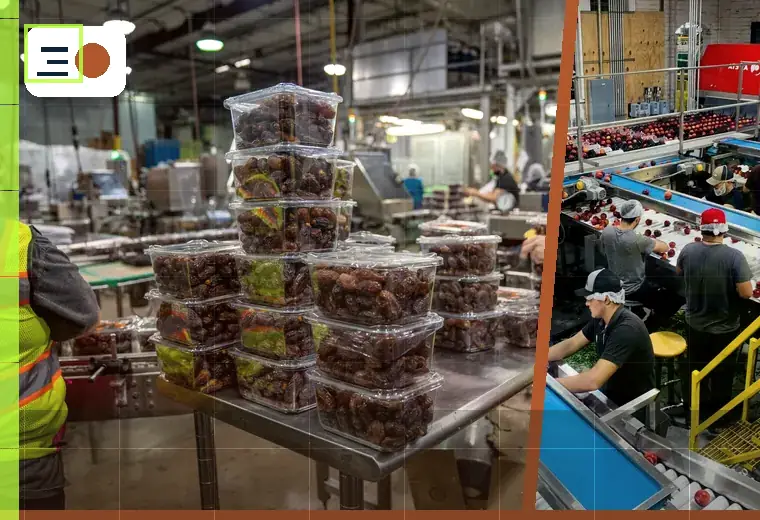 Capping and closures
Why is t-corks and bar tops production giving inconsistent results?
Variation usually begins with changing product or packaging conditions, unstable presentation, unsuitable settings or wear in the process.
See the checks →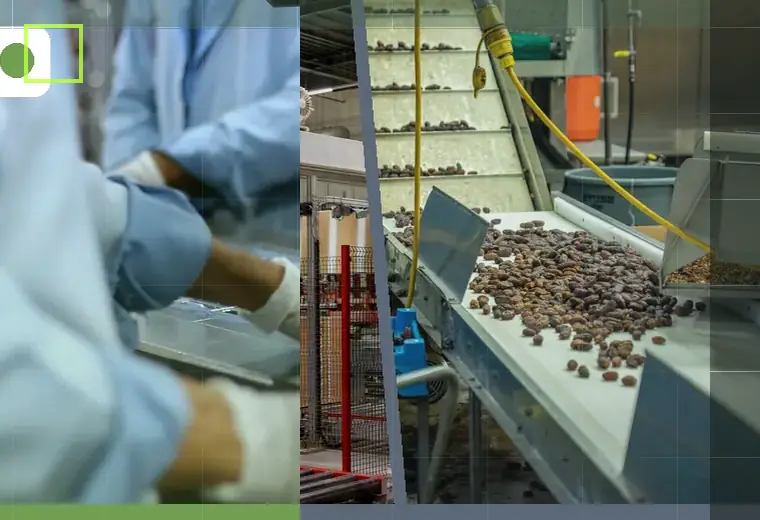 Capping and closures
How can I increase t-corks and bar tops production speed?
Increase sustained good output by identifying the actual constraint, separating machine cycle time from handling time and removing the first recurring cause of waiting.
See the checks →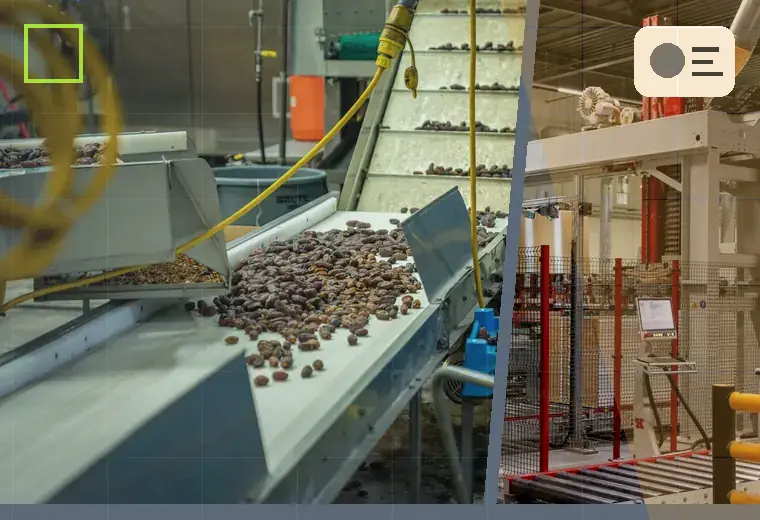 Capping and closures
Why does t-corks and bar tops equipment keep jamming or stopping?
Find the first point where control is lost. A downstream alarm is often only the final symptom of poor feeding, transfer, detection or format control.
See the checks →