
Direct answer
Cleaning must suit the product, materials, contamination risk and machine design. Use an approved method that reaches product-contact and trap points safely. For collaborative robot applications, confirm the result with representative product and packaging before altering several variables at once.
Common ways operators describe this problem
These phrases often refer to the same underlying production question:
- how to clean collaborative robot applications machinery
- collaborative robot applications equipment takes too long to clean
- collaborative robot applications product remains in the machine
- how to prevent cross-contamination in collaborative robot applications
Likely causes
- The cleaning method does not reach trap points in the collaborative robot applications process.
- Product-contact materials or seals are unsuitable in the collaborative robot applications process.
- Disassembly and reassembly are inconsistent in the collaborative robot applications process.
- Cleaning acceptance is not defined in the collaborative robot applications process.
What should be checked first?
- Identify all product-contact and splash zones
- Follow isolation and approved chemical procedures
- Document disassembly order and settings
- Inspect seals, hoses, valves and dead legs
- Define visual, swab or rinse acceptance as required
- Record time and repeat faults after cleaning
- Verify the first good production after reassembly
What should you compare before buying?
Compare the operating principle against the actual product, pack range, sustained good output, measurable quality limits, cleaning, changeover and site conditions. Use representative samples and agree what will be demonstrated during testing before delivery and after installation.
Useful planning tools for this question
Use these guides and calculators to turn the symptom into a measurable requirement, cost or action plan.
Machinery options for this problem
Start with the first option below. It most closely matches the product, pack and problem described on this page. The other options may suit a wider line or a different level of automation.
Related collaborative robot applications questions
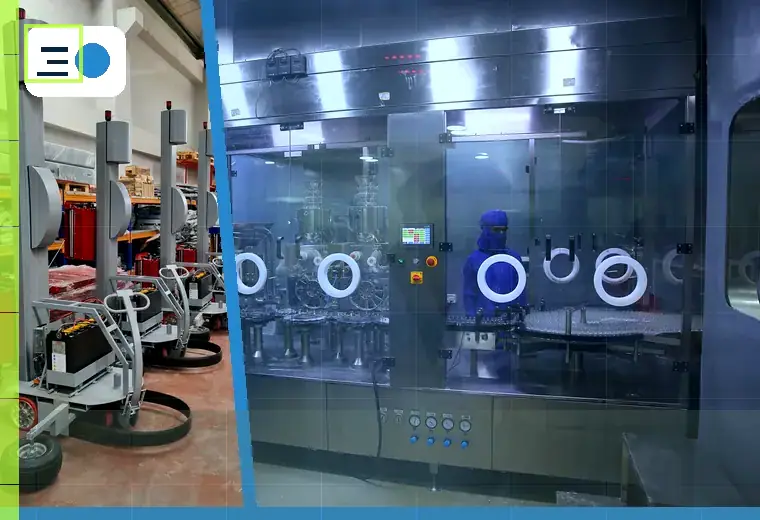 Conveyors, automation and lines
Why is collaborative robot applications production giving inconsistent results?
Variation usually begins with changing product or packaging conditions, unstable presentation, unsuitable settings or wear in the process.
See the checks →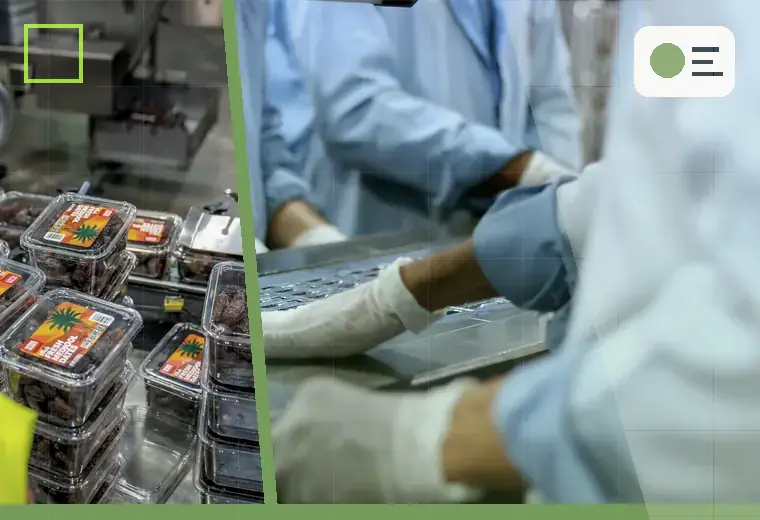 Conveyors, automation and lines
How can I increase collaborative robot applications production speed?
Increase sustained good output by identifying the actual constraint, separating machine cycle time from handling time and removing the first recurring cause of waiting.
See the checks →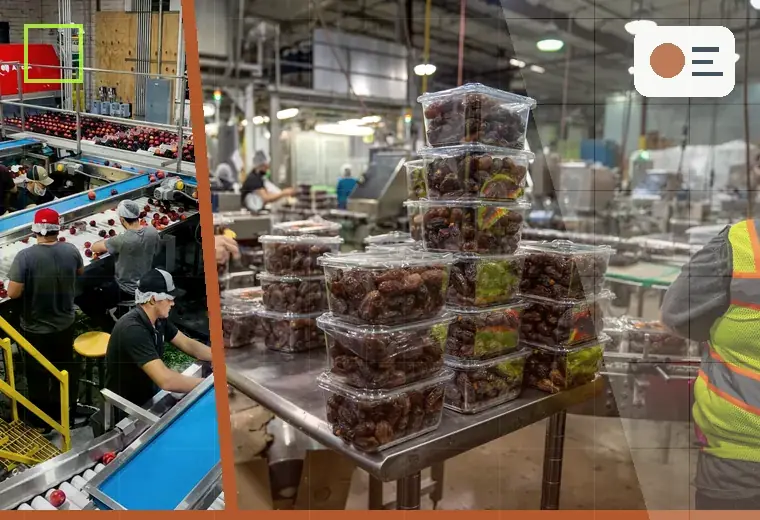 Conveyors, automation and lines
Why does collaborative robot applications equipment keep jamming or stopping?
Find the first point where control is lost. A downstream alarm is often only the final symptom of poor feeding, transfer, detection or format control.
See the checks →