
 Liquid filling
Why is thin free-flowing liquids production giving inconsistent results?
Variation usually begins with changing product or packaging conditions, unstable presentation, unsuitable settings or wear in the process.
See the checks →Start with the visible production symptom, record what changes and use the matching answer to compare process, machinery and support options.
Each answer provides a direct response, likely causes, checks to make and a relevant solution route.
Liquid fillingVariation usually begins with changing product or packaging conditions, unstable presentation, unsuitable settings or wear in the process.
See the checks → Liquid filling
Increase sustained good output by identifying the actual constraint, separating machine cycle time from handling time and removing the first recurring cause of waiting.
See the checks → Liquid filling
Find the first point where control is lost. A downstream alarm is often only the final symptom of poor feeding, transfer, detection or format control.
See the checks → Liquid filling
Measure product loss, rejected packaging, rework and start-up waste separately, then remove the largest repeatable cause.
See the checks → Liquid filling
Cleaning must suit the product, materials, contamination risk and machine design. Use an approved method that reaches product-contact and trap points safely.
See the checks → Liquid filling
Separate internal tasks that require a stopped machine from external preparation, standardise settings and prove the first good pack after changeover.
See the checks → Liquid filling
Compatibility must be proven across product contact, storage, temperature, pressure, sealing, labelling, handling and the normal range of supplier variation.
See the checks → Liquid filling
Choose the operating principle from the product, pack and measurable result before comparing models, headline speeds or prices.
See the checks → Liquid filling
Automate when the current constraint, labour requirement, quality risk or capacity need can be measured and the automated process can be supported reliably.
See the checks → Liquid filling
Inspect the characteristics that define a good pack, use measurable limits and ensure failed packs are identified, rejected and recorded.
See the checks → Liquid filling
Assess the actual installation, product and task. Safeguards, isolation, chemical or hygiene controls and operator procedures must work together.
See the checks → Liquid filling
Record the initiating fault, not only the final alarm, and convert recurring failures into controlled inspection, replacement and setup standards.
See the checks → Liquid filling
Agree product flow, heights, rates, buffers, controls, rejects, guarding and recovery as one system rather than connecting machines mechanically at the end.
See the checks → Liquid filling
Scale the dominant constraint first and retain enough flexibility for normal product, pack and demand variation.
See the checks → Liquid filling
Define the finished result, measure the defect pattern and control the process condition that creates it instead of relying on final inspection alone.
See the checks →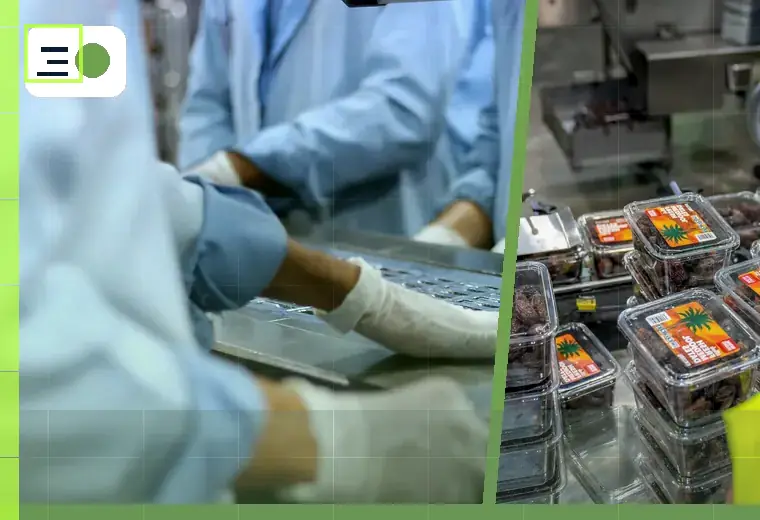 Liquid filling
Stable production needs controlled orientation, spacing, buffering and handover to the next machine at a rate above normal demand.
See the checks →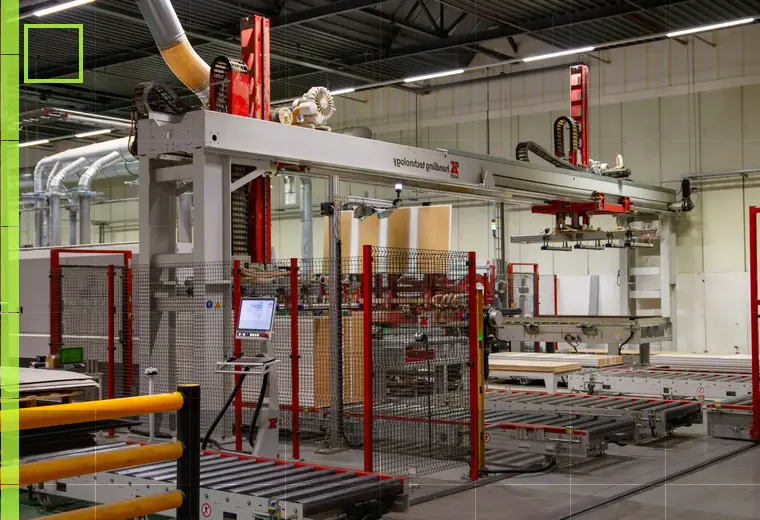 Liquid filling
Record the condition at the machine. Temperature, humidity, air quality, pressure, voltage and extraction can change product behaviour and equipment repeatability.
See the checks →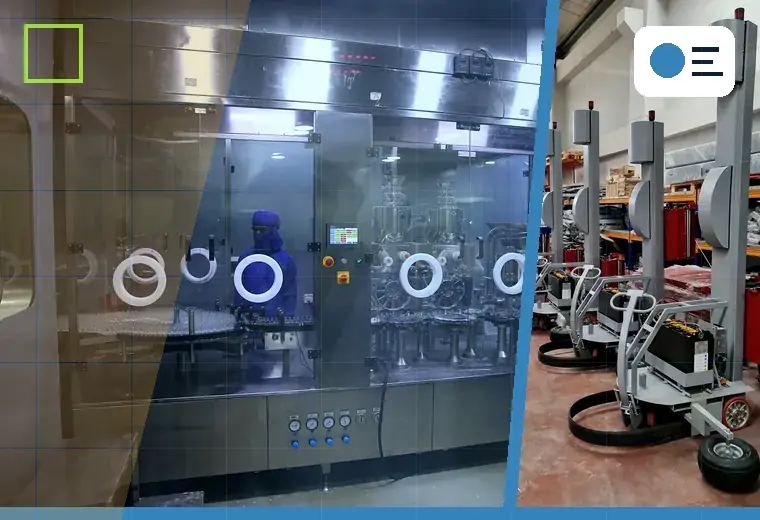 Liquid filling
A useful specification defines the product, pack, range, sustained output, measurable acceptance, utilities, site constraints and evidence required before delivery.
See the checks →For thin free-flowing liquids, define the liquid behaviour before comparing machinery or changing several settings. Record viscosity, density, temperature, foam, particles, product supply, dose and nozzle shut-off, then test the hardest normal condition with measurable acceptance.
Use the questions below to prepare the information needed for a useful recommendation.
Connect the process question to the figures, inspection, integration or regulatory work needed for a complete decision.
Tell us what you are producing, the pack you use and the problem you can see. The secure form will route your question to the right production specialist.