Accumulation
Temporary conveyor capacity that lets adjacent machines continue through short stops.
Plain-English explanations of common filling, capping, labelling, packaging and automation terms.
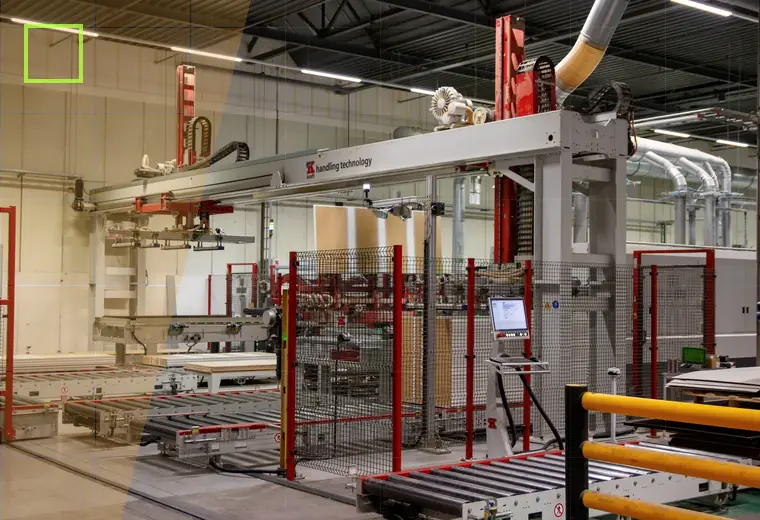
Temporary conveyor capacity that lets adjacent machines continue through short stops.
Torque applied while tightening a threaded closure.
Framework concerning equipment intended for potentially explosive atmospheres.
Powder dosing system using controlled rotation of a screw.
A machine state in which downstream equipment cannot accept product.
Mass of powder or granule per unit volume, including spaces between particles.
Track carrying correctly oriented closures to a capping point.
Component exchanged to suit a different product or pack format.
Complete process of moving production from one product or format to another.
System used to verify finished-pack mass and reject packs outside limits.
Filling into a pressurised container to control carbonation and foam.
Filling nozzle that moves into the container and may rise with the liquid.
Stand-up flexible pouch, usually with a bottom gusset.
Pre-delivery testing against agreed requirements.
Equipment supplying products, components, caps or packs in a controlled orientation.
Permitted difference between target and measured quantity.
Horizontal machine forming film around a product and making longitudinal and end seals.
Process that forms a pack from rollstock, fills it and seals it.
Completed pack meeting all agreed quality and quantity requirements.
Unfilled space between product and the top or closure of a container.
Non-contact heating of a foil liner to seal it to a compatible container.
Safeguard monitoring a condition such as guard position and affecting machine operation.
Space between successive labels on the backing liner.
Controlled removal of previous product, packaging and records before a new run.
Weight of the product excluding packaging.
Control that prevents filling when a pack is absent.
Overall equipment effectiveness: availability, performance and quality.
Edge around which label liner bends to separate the label for application.
Positive-displacement filler using a piston and cylinder to measure product.
Printing variable data on a label and automatically applying it.
Stored machine settings for a product or pack format.
Torque required to begin loosening an applied threaded closure.
Mechanism used to remove failed products from a line.
Roll-on pilfer-proof aluminium closure formed onto a compatible neck finish.
Small sealed flexible pack, often for a single dose.
Testing after installation at the customer site.
Continuous capper using rotating wheels or spindles to tighten threaded caps.
A machine state in which upstream equipment is not supplying product.
Good production rate maintained over a representative period.
Closure with a plug or shank and a wider top, often used for spirits.
Pack feature providing visible evidence of opening or interference.
Printing onto flexible film using a heated printhead and ribbon.
Customer document defining functions, performance and constraints.
Dosing based on a controlled volume.
Dosing controlled by measured mass.
Machine components that contact the product.
Label applied around the circumference of a cylindrical container.
Use the questions below to prepare the information needed for a useful recommendation.